

Medical Weight Loss Programs: GLP-1 Usage Tripled in 2026
Medical Weight Loss: GLP-1 Usage Tripled
Last updated: July 14, 2026
Medical weight loss through GLP-1 usage has tripled in just two years – 11% of Americans now take weight-loss medications, up from just 3% in 2024, according to a landmark Gallup survey conducted in May–June 2026. As the national obesity rate drops to 36.4% from a record 39.9% in 2022, a new standard of care is emerging: physician-supervised weight loss that combines the power of prescription medications with ongoing clinical oversight. For adults in Frederick, Maryland and surrounding communities, this shift represents an unprecedented opportunity to access safe, effective, and medically guided GLP-1 therapy close to home.
How Did GLP-1 Usage Triple in Just Two Years?
GLP-1 usage tripled due to compelling clinical trial results demonstrating sustained weight loss, high-profile media coverage that reduced stigma, and expanded insurance coverage that made medications more affordable. These factors combined to drive rapid adoption from 3% of adults in 2024 to 11% by mid-2026.
What Do the Latest GLP-1 Adoption Statistics Reveal?
The numbers tell a striking story. In 2024, roughly three in one hundred American adults were using a GLP-1 medication for weight management. By 2026, that figure had grown to eleven in one hundred – a threefold increase that reflects both surging demand and broader clinical acceptance. The data, published in July 2026 by outlets including The Hill and Gizmodo, also shows that 15% of Americans have tried a GLP-1 drug at some point – double the 6% who had ever tried one in 2024. Brand-name drugs account for 68% of current usage, while 19% of users rely on compounded formulations.
Why Are Americans Turning to Weight-Loss Medications Now?
Multiple factors converged to drive this rapid adoption. Clinical trials published in peer-reviewed journals demonstrated that GLP-1 agonists produce meaningful, sustained weight reduction – outcomes that previous generations of weight-loss medications rarely achieved. Simultaneously, high-profile media coverage and growing word-of-mouth from satisfied patients reduced the stigma surrounding prescription weight-loss treatment. For many adults who had tried diet and exercise alone without lasting success, GLP-1 therapy offered a new, evidence-based path forward that felt both accessible and medically legitimate.
How Is Medical Weight Loss Driving the Obesity Rate Decline?
The rise in GLP-1 usage is closely linked to a measurable decline in the national obesity rate, which fell from a peak of 39.9% in 2022 to 36.4% by 2026 – a drop of 3.5 percentage points that represents millions of Americans achieving meaningful health improvements. Researchers point to the growing availability and effectiveness of GLP-1 medications as a significant contributing factor, alongside increased public health focus on metabolic health. This is the first sustained decline in U.S. obesity rates recorded in decades, and it coincides almost exactly with the GLP-1 adoption curve.
How Are GLP-1 Medications Changing Weight-Management Outcomes?
GLP-1 agonists have redefined what weight-loss outcomes look like in clinical practice. Unlike earlier medications that produced modest results with significant side effects, semaglutide and tirzepatide have demonstrated the ability to produce substantial body weight reduction – often 10% to 15% or more – when combined with dietary adjustments and lifestyle support. These results are not merely cosmetic; they translate into measurable improvements in blood pressure, cholesterol levels, and insulin sensitivity, reducing the risk of conditions that commonly accompany obesity. Research published in the peer-reviewed literature, including studies available through the National Institutes of Health, continues to validate these outcomes across diverse patient populations.
What Role Does Medication Adherence Play in Results?
Clinical outcomes depend heavily on consistent medication use over time. Patients who remain on their prescribed GLP-1 regimen – attending follow-up appointments, tracking progress, and communicating openly with their provider – consistently outperform those who use medications intermittently or without professional guidance. This underscores the value of an ongoing relationship with a qualified physician, where adherence can be monitored, obstacles addressed, and dosages adjusted as needed. Programs that provide structured follow-up and accountability tend to produce results that are both more significant and more durable.
What Are GLP-1 Medications and How Do They Work?
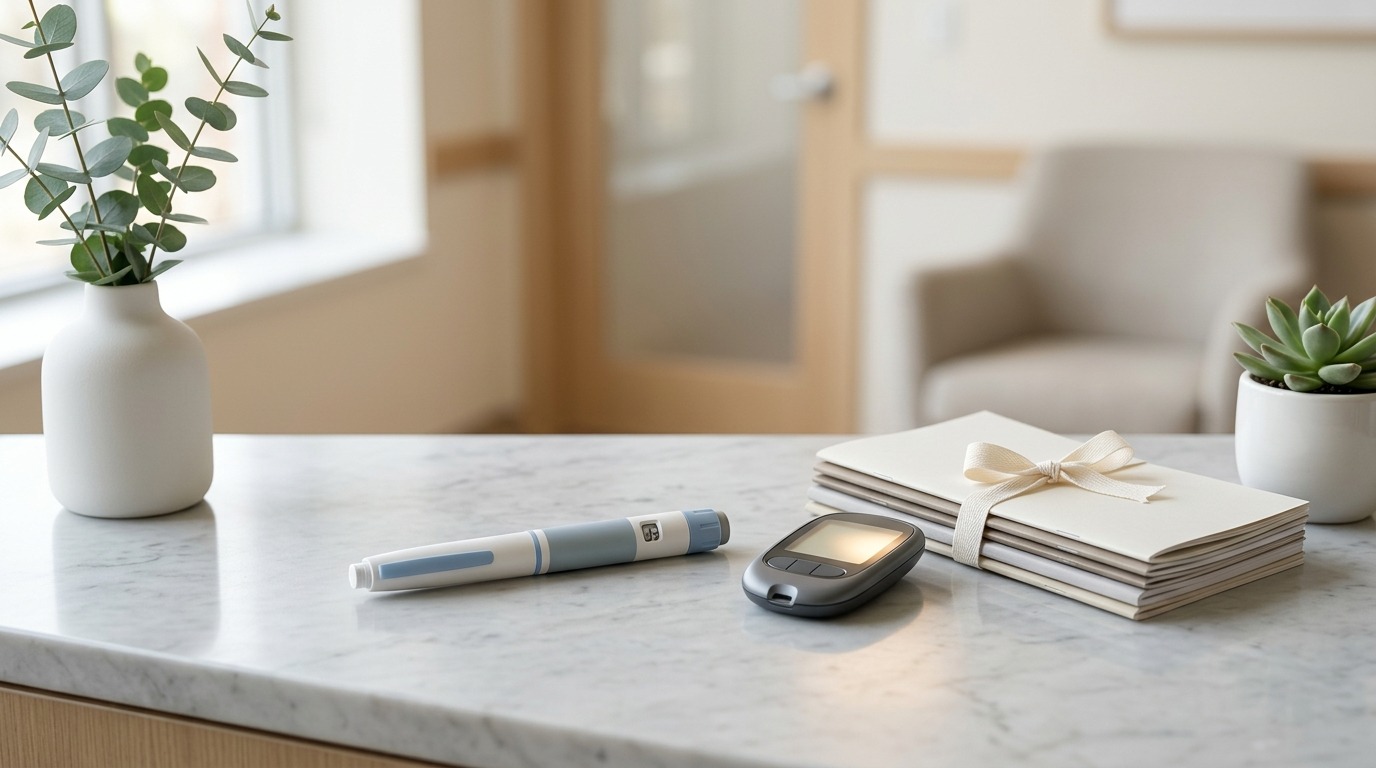
GLP-1 medications are prescription agonists that mimic the action of glucagon-like peptide-1, a naturally occurring hormone released by the intestines after eating. By activating GLP-1 receptors in the brain, these medications reduce appetite signals, slow gastric emptying, and help patients feel satisfied with smaller portions – addressing the biological drivers of overeating rather than simply suppressing hunger. Maryland Medical Clinic offers both semaglutide and tirzepatide through its medical weight loss program, tailoring the choice of medication to each patient’s health profile and weight-management goals. For comprehensive information about their approach, patients can also visit the main website to explore all available services and provider credentials.
How Does Semaglutide Target Appetite and Metabolism?
Semaglutide, the active ingredient in widely recognized brand-name formulations, works by binding to GLP-1 receptors in the hypothalamus – the brain region that controls hunger and satiety. This binding reduces appetite, increases feelings of fullness after meals, and helps patients naturally consume fewer calories without the constant sensation of deprivation that makes most diets unsustainable. Research published in peer-reviewed clinical literature has documented these mechanisms extensively, confirming that semaglutide addresses the underlying physiological drivers of weight gain rather than relying on willpower alone.
What Is the Difference Between Brand-Name and Compounded GLP-1 Drugs?
Brand-name GLP-1 drugs undergo rigorous FDA review for safety, efficacy, and manufacturing quality before reaching patients. Compounded versions, which account for 19% of current usage according to the 2026 Gallup data, are customized formulations prepared by licensed pharmacies – sometimes offered at lower cost or in alternative dosages. Patients considering any GLP-1 option should discuss the differences with a qualified physician to understand which approach best aligns with their health needs, budget considerations, and treatment goals. Maryland Medical Clinic provides transparent guidance on these options as part of its individualized assessment process.
Why Is Medical Supervision Essential for GLP-1 Therapy?
Medical supervision is not optional for GLP-1 therapy – it is the factor that separates a safe, effective treatment experience from one that carries unnecessary risk. For patients pursuing medical weight loss, the stakes are particularly high, as individual responses to medication vary and require professional monitoring. The FDA-approved labeling for semaglutide and tirzepatide explicitly recommends physician monitoring, and the American Medical Association has published guidance emphasizing the importance of clinical oversight for all patients using these medications. Without it, patients may miss early warning signs, take incorrect doses, or fail to recognize interactions with other conditions or medications.

How Does Ongoing Physician Monitoring Improve Safety?
Physician monitoring transforms GLP-1 therapy from a self-directed experiment into a structured medical treatment. During regular follow-up visits, a qualified weight-loss doctor reviews progress, assesses side effects, orders necessary laboratory work, and adjusts the treatment plan based on each patient’s evolving response. This dynamic, responsive approach catches potential problems early – such as nutritional deficiencies, gastrointestinal symptoms, or changes in blood glucose – and ensures the medication continues to serve the patient’s goals safely over the long term.
What Lab Work and Assessments Do Patients Need?
A thorough weight-loss program begins with a comprehensive health assessment that may include baseline laboratory testing to evaluate metabolic function, organ health, and hormone levels. These tests establish a clear picture of each patient’s starting point and identify any conditions that might affect treatment decisions. Follow-up labs during therapy allow the physician to track improvements and detect any emerging concerns, creating a continuous feedback loop that guides clinical decisions and keeps the patient on a safe, effective path.
What Questions Should You Ask a Medical Weight Loss Doctor?
When evaluating a weight-loss doctor, ask about their experience prescribing GLP-1 medications, how frequently follow-up appointments occur, what protocols exist for managing side effects, which laboratory tests are included, and the realistic outcomes you can expect from their medical weight loss program. Maryland Medical Clinic welcomes these questions and encourages prospective patients to review their comprehensive services before scheduling a consultation.
How Do You Know If a Program Offers Real Medical Supervision?
A program that calls itself medically supervised should do more than hand out prescriptions. Patients should confirm that the clinic provides regular in-person or video follow-up appointments, individualized dose adjustments, access to laboratory testing, and documented progress tracking. A physician who is available to answer questions between visits and who clearly explains the rationale behind each treatment decision demonstrates the standard of care that true medical supervision requires.
What Qualifications Matter When Choosing a Weight-Loss Clinic?
Credentials matter, but experience matters equally. Look for a clinic staffed by licensed physicians – not nurse practitioners or physician assistants operating without physician oversight – who have specific experience in metabolic health and weight management. Board-certified family physicians, internists, or specialists in obesity medicine are well-positioned to manage GLP-1 therapy safely. Maryland Medical Clinic’s team brings direct clinical experience in prescription weight-loss treatment, offering Frederick-area patients access to knowledgeable, accountable medical professionals who understand the complexities of GLP-1 medications.
What Does the GLP-1 Trend Mean for Frederick Residents?
The GLP-1 surge is not a distant national headline – it is unfolding in exam rooms and pharmacies across Frederick County, Hagerstown, Germantown, and every community in between. Local adults who have watched GLP-1 medications dominate news coverage and social media are increasingly asking their physicians about these options, and demand in Maryland mirrors the national trend. This creates both opportunity and urgency: patients who want safe, effective GLP-1 therapy need a local provider they can trust, rather than turning to anonymous online platforms that offer convenience without accountability.
How Is Maryland Medical Clinic Responding to Local Demand?
Maryland Medical Clinic has built its weight-loss program around the same principles that define excellent medical care: individualized assessment, evidence-based treatment, and ongoing physician involvement. The clinic offers both semaglutide and tirzepatide within a structured, medically supervised framework, providing Frederick-area residents with in-person care built on the continuity and accountability of a local practice. Patients at the clinic work directly with physicians who know their health history and can respond in real time to changes in their condition or progress.
Why Choose a Local, In-Person Physician?
GLP-1 medications are now widely available, but nothing replaces the value of a local physician who sees you in person, understands your medical history, knows your community, and is available when concerns arise. A local weight-loss doctor can coordinate care with your other providers, interpret subtle changes in your health in person, and build a long-term relationship that supports not just weight loss but overall wellness. For patients in Urbana, Brunswick, Walkersville, Thurmont, New Market, Mount Airy, and beyond, proximity and continuity of in-person care are real advantages.
Is a Physician-Supervised Weight-Loss Program Right for You?
A physician-supervised weight-loss program offers a structured, accountable, and medically sound path to meaningful results – combining the proven effectiveness of GLP-1 medications with the safety and personalization that only a qualified doctor can provide. Whether you are just beginning to explore medical weight loss options or you have already tried GLP-1 therapy through an online service and want more hands-on guidance, Maryland Medical Clinic provides the clinical expertise, individualized care, and ongoing support that makes lasting weight management possible. Adults throughout Frederick County and the surrounding Maryland communities are encouraged to schedule a consultation to learn whether a medically supervised GLP-1 program aligns with their health goals. Maryland Medical Clinic is located in Frederick, Maryland, and can be reached at (240) 341-1600 to arrange an appointment.
Frequently Asked Questions
Below are concise answers to the most common questions about medical weight loss programs, GLP-1 medications, safety considerations, expected results, insurance coverage, and what to expect from local physician-supervised treatment for adults in Frederick, Maryland and the surrounding communities.
How much has GLP-1 usage increased in recent years?
GLP-1 usage has tripled from 3% of American adults in 2024 to 11% by mid-2026, according to a Gallup survey of 5,065 U.S. adults. This represents the fastest adoption rate for any prescription drug class in recent memory. Additionally, 15% of Americans have tried a GLP-1 drug at some point – double the 6% who had ever tried one in 2024.
How do GLP-1 medications work for weight loss?
GLP-1 medications are prescription agonists that mimic glucagon-like peptide-1, a naturally occurring hormone released by the intestines after eating. By activating GLP-1 receptors in the brain, these medications reduce appetite signals, slow gastric emptying, and help patients feel satisfied with smaller portions – addressing the biological drivers of overeating rather than simply suppressing hunger.
What kind of weight loss results can I expect from GLP-1 therapy?
Semaglutide and tirzepatide have demonstrated the ability to produce substantial body weight reduction – often 10% to 15% or more – when combined with dietary adjustments and lifestyle support. These results translate into measurable improvements in blood pressure, cholesterol levels, and insulin sensitivity, reducing the risk of conditions that commonly accompany obesity.
Why is medical supervision essential for GLP-1 therapy?
The FDA-approved labeling for semaglutide and tirzepatide explicitly recommends physician monitoring. Without it, patients may miss early warning signs, take incorrect doses, or fail to recognize interactions with other conditions or medications. For medical weight loss patients, ongoing physician supervision is especially critical to ensure safe, effective, and durable results. Ongoing physician supervision transforms GLP-1 therapy from a self-directed experiment into a structured medical treatment with regular follow-up visits, side effect assessments, and dose adjustments.
What’s the difference between brand-name and compounded GLP-1 drugs?
Brand-name GLP-1 drugs undergo rigorous FDA review for safety, efficacy, and manufacturing quality before reaching patients. Compounded versions, which account for 19% of current usage according to the 2026 Gallup data, are customized formulations prepared by licensed pharmacies – sometimes offered at lower cost or in alternative dosages. Patients should discuss the differences with a qualified physician to understand which approach aligns with their health needs.
How does medication adherence affect GLP-1 treatment outcomes?
Clinical outcomes depend heavily on consistent medication use over time. Patients who remain on their prescribed GLP-1 regimen – attending follow-up appointments, tracking progress, and communicating openly with their provider – consistently outperform those who use medications intermittently or without professional guidance. Programs that provide structured follow-up tend to produce results that are both more significant and more durable.
Why choose a local, in-person physician for GLP-1 therapy?
A local weight-loss doctor can coordinate care with your other providers, interpret subtle changes in your health in person, and build a long-term relationship that supports not just weight loss but overall wellness. A local practice offers continuity and accountability: physicians know your health history and can respond in real time to changes in your condition.
Next step
Have a question for Maryland Medical Clinic?
Physician-led medical weight loss and wellness in Frederick, Maryland. GLP-1 programs, peptide therapy, body and face sculpting, regenerative treatments and 3D body scan tracking, in one personalized plan.
Get in touchYour privacy
Nothing leaves this page without your OK.
If you allow it, Google Analytics and Meta help us see which pages patients find useful and whether our ads reach the right people. We never sell your information, and you can change your mind anytime. Privacy Policy