

Why Tracking Body Fat Percentage Matters More Than Weight
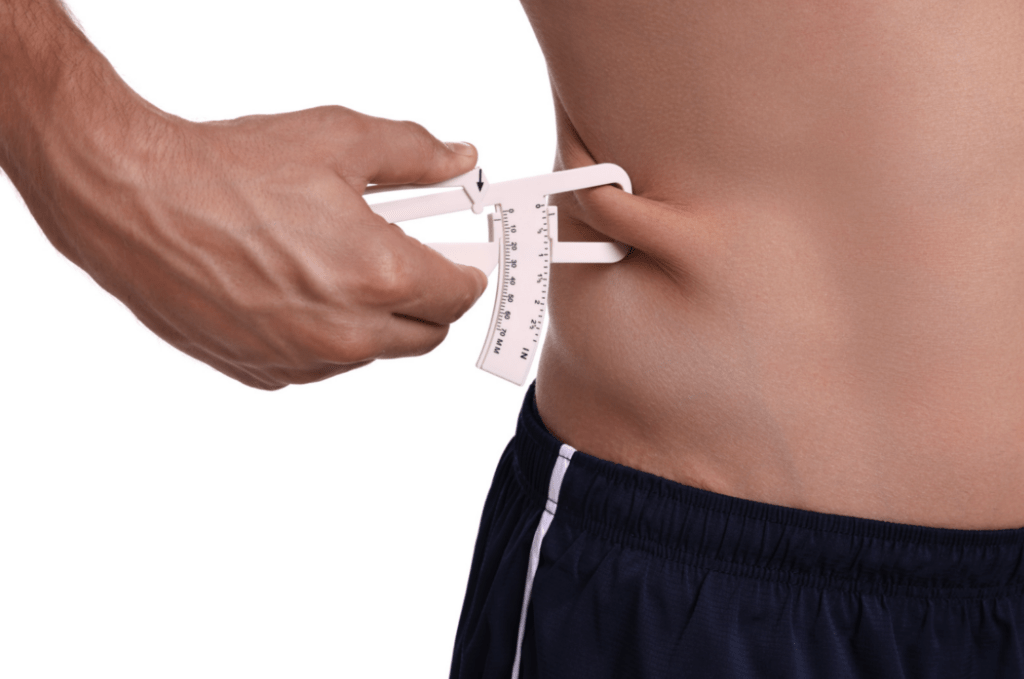
If you’ve ever worked hard on your health only to feel discouraged by a stubborn number on the scale, you’re not alone. The truth is that body fat percentage and weight loss don’t always move together — and relying on weight alone can give you an incomplete, sometimes misleading, picture of your progress.
At Maryland Medical Clinic, we encourage patients to look beyond the scale and understand what’s actually happening inside their bodies. That shift in perspective can make all the difference in how you measure success.
Weight vs. Body Composition: Why the Scale Doesn’t Tell the Whole Story
Total body weight is simply a measure of gravitational pull — it doesn’t distinguish between fat, muscle, bone, and water. Two people can weigh exactly the same and have dramatically different health profiles depending on how that weight is distributed. According to UC Davis Sports Medicine, body composition — the percentages of fat, muscle, and bone in the body — is a far more meaningful indicator of health than weight alone, since muscle tissue is denser than fat tissue and impacts overall health differently (UC Davis Health).
This is why two patients with an identical starting weight can have very different outcomes, risks, and needs. Body Mass Index (BMI) also falls short here: it’s a weight-to-height ratio, not a true measure of fat, which means it can mislabel muscular individuals as overweight while missing excess fat in others.
Consider two patients who both weigh 180 pounds. One has a higher percentage of lean muscle from years of strength training, while the other carries a higher percentage of body fat, particularly around the midsection. Despite an identical number on the scale, their health risks, energy levels, and fitness needs are very different. Only a body composition assessment can reveal that distinction — the scale alone cannot.
This is also why so many people feel frustrated during a weight loss program despite doing everything right. If muscle is being built at the same time fat is being lost, total weight can hold steady or even tick upward temporarily, even though real, measurable progress is happening underneath the surface.
Why Fat Loss, Muscle Retention, and Measurements Matter More Than the Number on the Scale
When you focus only on total weight, you risk making decisions that undermine your long-term health. Here’s why a body-composition approach matters:
- Fat loss reflects real metabolic improvement. Reducing excess body fat — especially around the abdomen and organs — is more closely tied to improved blood sugar, blood pressure, and cardiovascular health than weight loss alone.
- Muscle retention protects your metabolism. Aggressive dieting without attention to body composition can cause you to lose muscle along with fat, which slows metabolic rate and makes long-term maintenance harder.
- Measurements catch progress the scale misses. It’s common to lose inches and body fat while your weight stays flat, particularly when starting a new exercise routine.
- Body composition better predicts health risk. Excess fat carries different health implications than excess muscle, even at the same total weight.
- It supports sustainable habits. Focusing on composition rather than a single number encourages patients to prioritize strength, nutrition, and consistency over rapid, unsustainable weight loss.
How 3D Body Scanning Fits Into the Picture
Traditional methods of assessing body composition — like skinfold calipers or bioelectrical impedance scales — can be useful, but they often carry a wider margin of error and don’t always capture the full picture of where fat and muscle are distributed throughout the body. A 3D body scan for weight loss takes this a step further, generating a detailed model of your body that shows fat distribution, muscle mass, and precise measurements across multiple regions in just a few minutes.
For patients working through a structured weight loss plan, this level of detail turns tracking into something visual and motivating rather than abstract. Instead of wondering whether a stalled scale means something has gone wrong, you can look at real data on fat loss and muscle retention and see the progress that a bathroom scale simply can’t show.
FAQ: 3D Body Scanning at Maryland Medical Clinic
What is a 3D body scan, and how is it different from a regular scale? A 3D body scan for weight loss captures detailed data about your body composition, including fat distribution, muscle mass, and measurements across different areas of your body — information a standard scale simply can’t provide.
How often should I get scanned? Most patients benefit from scanning every four to six weeks to track meaningful changes in body composition without over-focusing on short-term fluctuations.
Will a 3D scan show results even if my weight hasn’t changed? Yes. Many patients see measurable improvements in fat percentage and muscle mass even during periods when their weight has plateaued, which is exactly why composition tracking is so valuable.
Is a 3D body scan uncomfortable or time-consuming? No. The scan is quick, non-invasive, and typically takes just a few minutes, making it easy to incorporate into your regular visits.
Do I need a scan if I’m not on a weight loss medication? Not at all. Body composition tracking is valuable for anyone who wants a clearer picture of their health, whether you’re building muscle, managing a chronic condition, or simply curious about what’s behind your current weight.
A Whole-Person Approach to Tracking Progress
Understanding your body composition requires more than a quick glance at a chart — it takes clinical experience and a whole-person perspective. Dr. Kathy Garlinghouse, DNP, RN, brings 28 years of healthcare experience, including a strong focus on functional and primary care medicine, to help patients understand what their numbers really mean and how to build sustainable, evidence-based plans around them.
Weight is just one data point. Your body fat percentage, muscle mass, and measurements tell a fuller, more accurate story of your progress and your health.
Ready to see what’s really changing in your body? Schedule your 3D body scan at Maryland Medical Clinic today and start tracking the metrics that actually matter.
Next step
Have a question for Maryland Medical Clinic?
Physician-led medical weight loss and wellness in Frederick, Maryland. GLP-1 programs, peptide therapy, body and face sculpting, regenerative treatments and 3D body scan tracking, in one personalized plan.
Get in touchYour privacy
Nothing leaves this page without your OK.
If you allow it, Google Analytics and Meta help us see which pages patients find useful and whether our ads reach the right people. We never sell your information, and you can change your mind anytime. Privacy Policy