

Skin Tightening After Weight Loss: Treatment Options
Last updated: August 20, 2026
When researchers at Pennington Biomedical Research Center reviewed the accumulating GLP-1 evidence in 2026, Dr. Steven Heymsfield highlighted findings that go well beyond weight loss and cardiovascular benefits: reduced arthritis pain, measurably less systemic inflammation, and improved mobility among patients using semaglutide and tirzepatide. For Frederick County adults navigating skin tightening after medical weight loss, these findings reshape what is possible.
Why Does Skin Become Loose After GLP-1 Weight Loss?
Skin laxity after weight loss occurs because the dermis was stretched to accommodate a larger body volume for an extended period. When fat cells shrink rapidly, the collagen and elastin network that gives skin its firmness cannot always recoil at the same pace, resulting in sagging, crepey skin across areas like the abdomen, upper arms, and neck. Factors that influence this response include age, genetics, how long the skin was stretched, and the speed of weight loss.
How Does Weight Loss Affect Skin Elasticity?
Elasticity depends on the integrity of collagen and elastin fibers in the dermis. Sustained weight gain damages these fibers over time, and once the skin has expanded significantly, its natural snap-back capacity diminishes. Younger patients typically see better recoil because their skin produces new collagen more efficiently, while older adults may experience more noticeable laxity even with gradual, medically supervised weight loss.
Can Reducing Inflammation Help Skin Recover?
Emerging research suggests that the anti-inflammatory effects of GLP-1 medications may support skin recovery beyond the numbers on a scale. A 2025 editorial in Cureus noted that GLP-1 receptor agonists can reduce systemic inflammation, which is a known driver of collagen degradation. Less chronic inflammation means skin structures face fewer assaults, potentially improving the skin’s ability to repair and tighten as weight loss progresses.
What New Research Says About GLP-1 Benefits Beyond Weight Loss
Findings from Pennington Biomedical published in August 2026 revealed that patients using GLP-1 medications reported significant improvements in joint comfort, walking ability, and overall mobility. Patients with arthritis experienced fewer pain flares, and the data suggested lower rates of joint replacement procedures among long-term users. These effects were attributed in part to anti-inflammatory mechanisms that operate independently of weight loss alone.
How Did Pennington Biomedical Researchers Measure Inflammation Reduction?
Researchers assessed systemic inflammatory markers alongside patient-reported outcomes for pain and mobility. Dr. Heymsfield, a 15-year GLP-1 researcher, noted that reductions in inflammatory biomarkers were statistically significant even after controlling for the degree of weight loss, suggesting that GLP-1 medications exert a direct anti-inflammatory effect that benefits joint and skin health alike.
What Joint and Mobility Improvements Did Patients Experience?
Participants reported improved walking distance, less morning stiffness, and reduced reliance on anti-inflammatory medications. Notably, fewer knee replacement surgeries were observed in the GLP-1 cohort compared with matched controls. These mobility gains directly relate to skin tightening outcomes, since improved movement encourages circulation and supports the metabolic activity skin needs to produce new collagen.
What Non-Surgical Skin Tightening Options Are Available for Weight Loss Patients?
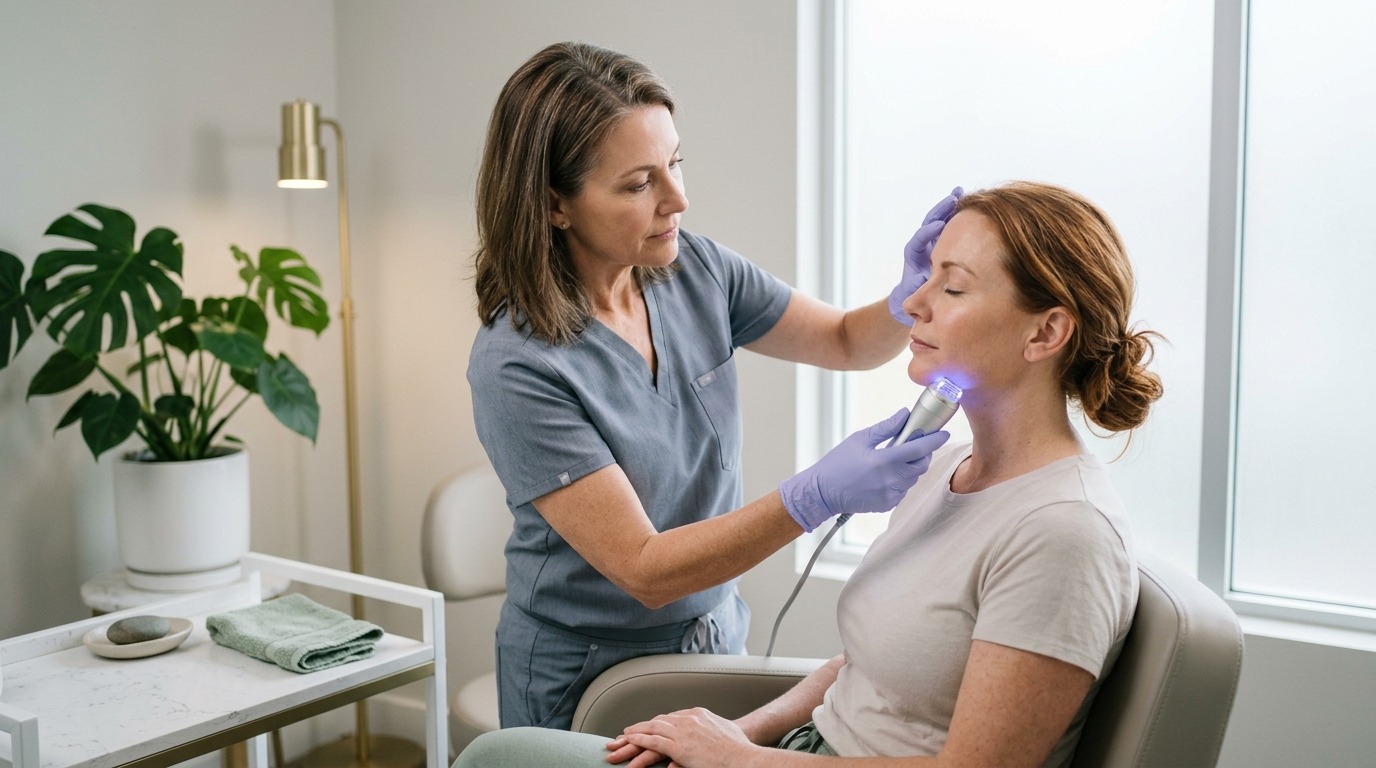
Frederick County patients have access to several non-surgical approaches for addressing loose skin after significant weight loss. These include radiofrequency devices that deliver controlled heat to the dermis, ultrasound platforms that target deeper tissue layers, and injectable collagen stimulators that gradually improve skin quality from within. Treatment selection depends on the degree of laxity, skin type, and the areas requiring improvement. Maryland Medical Clinic offers a range of skin tightening services tailored to individual patient needs.
How Do Non-Surgical Skin Tightening Treatments Work?
Non-surgical skin tightening treatments work by applying energy or bio-stimulating compounds beneath the skin surface to trigger the body’s natural healing response. This process stimulates the production of new collagen and elastin, which over time results in firmer, more youthful-looking skin. Treatments are typically performed in a clinical setting and require little to no recovery time.
Can Radiofrequency or Ultrasound Treatments Help With Loose Skin?
Radiofrequency and ultrasound-based treatments are among the most studied non-surgical options for skin tightening. Both technologies heat the dermis to a temperature that stimulates collagen remodeling without damaging the outer skin layers. Clinical evidence supports their use for mild to moderate skin laxity, and they are commonly incorporated into personalized treatment plans for patients who have achieved their weight loss goals.
Which Body Areas Commonly Need Skin Tightening After Weight Loss?
Significant weight loss commonly leaves excess skin in areas where fat was most concentrated. The abdomen, upper arms, thighs, and neck are the regions patients most frequently seek to address. Each area presents unique challenges, and treatment strategies may vary based on skin quality, the extent of laxity, and the patient’s desired outcome.
How Can I Address Sagging Skin on My Neck and Jawline?
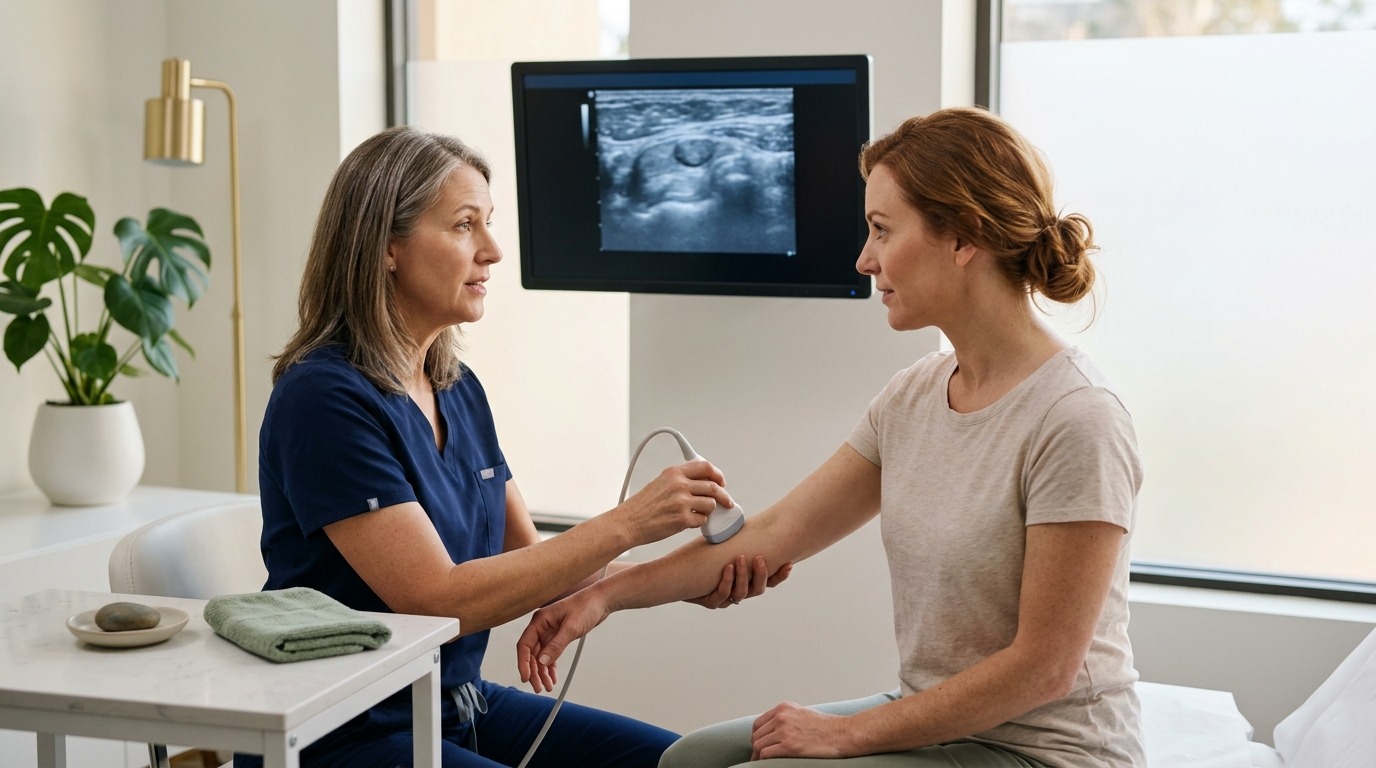
Sagging skin on the neck, often called turkey neck, and along the jawline can create the appearance of jowls and a less defined profile. Non-surgical options in this area may include targeted radiofrequency treatments, collagen-stimulating injectables, or ultrasound therapy designed to lift and firm the neck and lower face without surgery.
What Options Help With Loose Skin on the Arms and Body?
Bat wing arms, loose abdomen, and sagging buttocks are common concerns following weight loss. Body contouring treatments that combine skin tightening with gentle stimulation of underlying tissue can improve the appearance of these areas. A qualified provider can recommend the most appropriate approach based on skin type and the degree of laxity present.
How Does Combining Weight Loss With Skin Care Create Better Results?
Patients who pair medical weight loss with a dedicated skin care regimen consistently report better aesthetic outcomes than those who pursue either alone. This is because GLP-1 medications address the internal drivers of skin aging – inflammation and metabolic dysfunction – while skin treatments work on the surface to rebuild collagen and restore elasticity.
Why Is Timing Important for Skin Tightening After Weight Loss?
Timing matters because the skin’s capacity to respond to treatment improves once inflammation is reduced and weight has stabilized. Initiating skin tightening procedures while inflammation is still elevated may yield less predictable results. Waiting until a patient has reached or neared their weight goal allows for more precise treatment planning and more satisfying outcomes.
What Holistic Health Benefits Support Skin Elasticity?
Proper nutrition, adequate hydration, regular movement, and quality sleep all contribute to skin elasticity. Patients who adopt these habits alongside GLP-1 therapy create an internal environment that supports collagen production. The mobility improvements documented in recent research also encourage more active lifestyles, which further benefits circulation and tissue health.
What Should Frederick County Patients Know Before Choosing Skin Tightening?
Choosing a skin tightening approach is a personal decision that depends on individual skin type, the amount of loose skin present, health history, and personal goals. Frederick County residents considering these treatments should seek consultation with a provider who offers medically supervised weight loss and understands the intersection of metabolic health and skin aging. Learn about skin tightening solutions for GLP-1 weight loss patients near Urbana at Maryland Medical Clinic.
How Do I Know Which Treatments Are Right for My Skin Type?
Skin type influences how different treatments perform. Patients with lighter skin tones may respond particularly well to energy-based devices, while individuals with darker complexions may benefit from certain injectable or ultrasound approaches that bypass surface melanin. A thorough skin assessment during consultation helps identify the safest and most effective options for each person.
What Factors Affect Skin Tightening Results After Weight Loss?
Results depend on several factors, including age, genetics, the rate and total amount of weight lost, smoking status, sun exposure habits, and adherence to post-treatment skin care. Patients who maintain stable weight and protect their skin from UV damage generally enjoy longer-lasting improvements. Realistic expectations are essential: non-surgical treatments improve mild to moderate laxity, while significant loose skin may require a combination of approaches over time.
Maryland Medical Clinic offers medically supervised weight loss programs using compounded semaglutide and tirzepatide for adults in Frederick, Urbana, Thurmont, and the surrounding communities. Their team takes a whole-body approach to health, helping patients achieve meaningful weight loss while addressing the changes that come with it, including skin laxity. Adults who have experienced significant weight changes and are exploring their options are encouraged to schedule a consultation. For personalized guidance on skin tightening and weight loss near Urbana and across Frederick County, call (240) 341-1600 to speak with the Maryland Medical Clinic team.
Frequently Asked Questions
What causes loose skin after GLP-1 weight loss?
Skin laxity after weight loss occurs because the dermis was stretched to accommodate a larger body volume over time. When fat cells shrink rapidly, the collagen and elastin network cannot recoil at the same pace, resulting in sagging and crepey skin. Factors that influence this response include age, genetics, how long the skin was stretched, and the speed of weight loss.
How do non-surgical skin tightening treatments work?
Non-surgical skin tightening treatments work by applying energy or bio-stimulating compounds beneath the skin surface to trigger the body’s natural healing response. This stimulates the production of new collagen and elastin, which over time results in firmer, more youthful-looking skin. Radiofrequency and ultrasound treatments are among the most studied options, heating the dermis to stimulate collagen remodeling without damaging outer skin layers.
What body areas commonly need skin tightening after weight loss?
Significant weight loss commonly leaves excess skin in areas where fat was most concentrated. The abdomen, upper arms, thighs, and neck are the regions patients most frequently seek to address. The neck and jawline often develop sagging skin, often called turkey neck, while bat wing arms and loose abdomen are common body concerns following weight loss.
When is the best time to start skin tightening after weight loss?
The best time to start skin tightening treatments is once inflammation is reduced and weight has stabilized. Initiating procedures while inflammation is still elevated may yield less predictable results. Waiting until a patient has reached or neared their weight goal allows for more precise treatment planning and more satisfying outcomes.
What factors affect skin tightening results after weight loss?
Results depend on several factors including age, genetics, the rate and total amount of weight lost, smoking status, sun exposure habits, and adherence to post-treatment skin care. Patients who maintain stable weight and protect their skin from UV damage generally enjoy longer-lasting improvements. Non-surgical treatments improve mild to moderate laxity, while significant loose skin may require a combination of approaches.
Can reducing inflammation help skin recover after weight loss?
Yes, emerging research suggests that the anti-inflammatory effects of GLP-1 medications may support skin recovery. A 2025 editorial in Cureus noted that GLP-1 receptor agonists can reduce systemic inflammation, which is a known driver of collagen degradation. Less chronic inflammation means skin structures face fewer assaults, potentially improving the skin’s ability to repair and tighten as weight loss progresses.
How does combining weight loss with skincare create better results?
Patients who pair medical weight loss with a dedicated skin care regimen consistently report better aesthetic outcomes than those who pursue either alone. GLP-1 medications address internal drivers of skin aging through inflammation reduction and metabolic improvement, while skin treatments work on the surface to rebuild collagen and restore elasticity. Proper nutrition, hydration, movement, and sleep also contribute to skin elasticity.
Related reading
Next step
Have a question for Maryland Medical Clinic?
Physician-led medical weight loss and wellness in Frederick, Maryland. GLP-1 programs, peptide therapy, body and face sculpting, regenerative treatments and 3D body scan tracking, in one personalized plan.
Get in touchYour privacy
Nothing leaves this page without your OK.
If you allow it, Google Analytics and Meta help us see which pages patients find useful and whether our ads reach the right people. We never sell your information, and you can change your mind anytime. Privacy Policy