

Non-Surgical Skin Tightening: How Technologies Firm Loose Skin
Last updated: September 15, 2026
Non-invasive body contouring technologies that combine fat elimination with skin tightening now represent the dominant treatment approach across aesthetic practices serving Germantown, Maryland, and surrounding communities. Area clinics offer integrated treatments using advanced energy modalities to simultaneously reduce localized fat deposits and stimulate collagen production for improved skin elasticity and firmness. Patients seeking body contouring after weight loss or aging-related changes benefit from non-surgical approaches that address both fat reduction and skin laxity in a single treatment plan, reducing recovery time and avoiding invasive surgery.
What Is Non-Surgical Skin Tightening and How Does It Work?
Non-surgical skin tightening uses radiofrequency and ultrasound energy to stimulate collagen production and improve skin elasticity. These treatments work by delivering controlled thermal energy to deeper skin layers, triggering the body’s natural regenerative response without surgery or significant recovery time.
How Do Radiofrequency Technologies Stimulate Collagen for Firmer Skin?
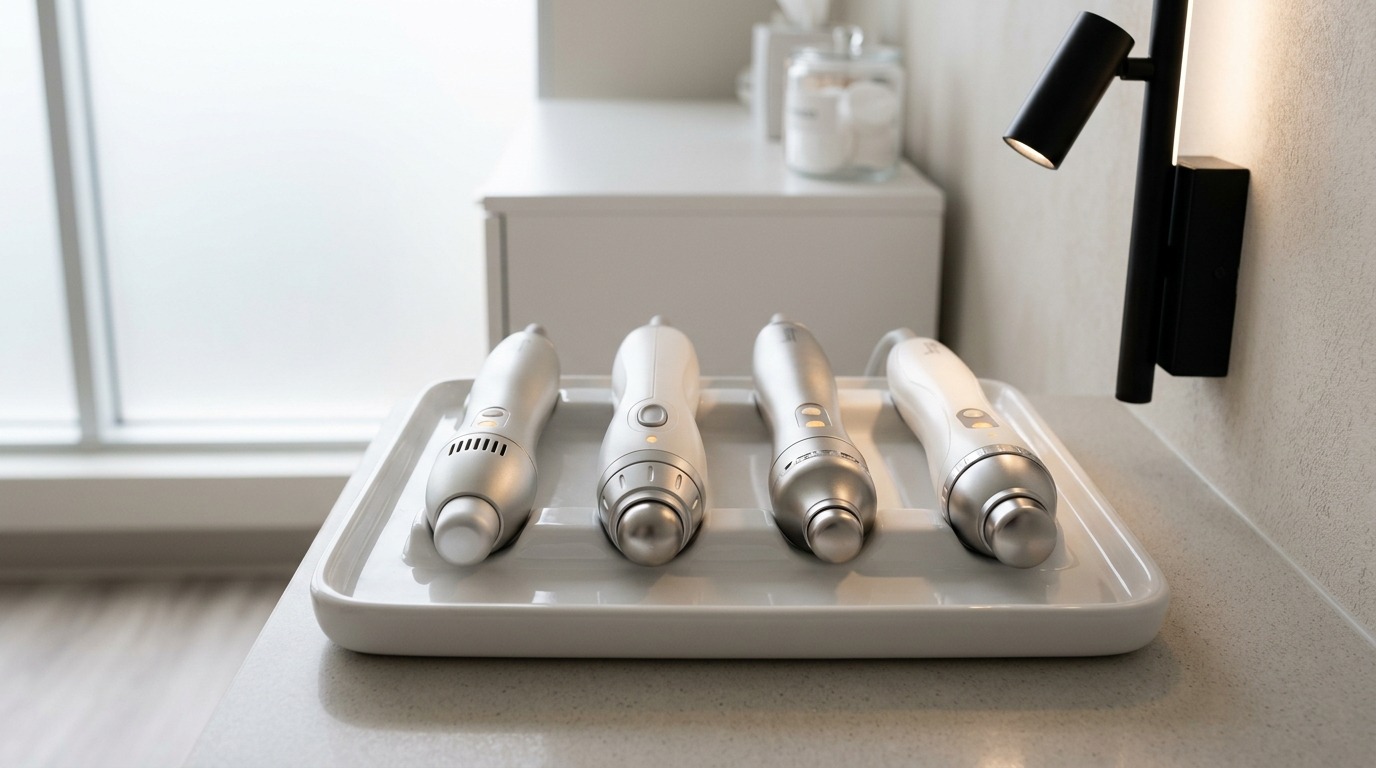
Radiofrequency technologies deliver electromagnetic energy that heats the dermis, the deeper layer of skin where collagen resides. This controlled heating causes existing collagen fibers to contract immediately, providing visible firming right away. The thermal effect also triggers a natural healing response that stimulates the production of new collagen over the following months. Devices such as Thermage exemplify this approach, using radiofrequency to address sagging skin on the face, neck, abdomen, thighs, and arms.
What Role Does Ultrasound Energy Play in Skin Tightening Treatments?
Ultrasound-based treatments such as Ultherapy bypass the skin’s surface to deliver focused energy at precise depths beneath the skin. This approach targets the foundational layers where structural collagen lives, making it particularly effective for lifting and tightening areas like the brow, chin, neck, and décolletage. Ultrasound energy stimulates a natural regenerative response without disrupting the skin’s outer surface, resulting in gradual firming and lifting over two to three months following treatment.
Which Areas of the Body Can Benefit From Skin Tightening Treatments?
Skin tightening treatments address loose, sagging skin across multiple body areas where aging, weight fluctuations, or genetics have reduced skin elasticity. Common treatment zones include the face, neck, abdomen, thighs, arms, and knees, with each area responding well to targeted energy-based approaches. For those seeking a less intensive approach, skin tightening cream offers a topical option to improve skin elasticity and firmness.
How Can Skin Tightening Address Facial Concerns Like Sagging Jowls and Brow Droop?
Facial skin tightening targets areas prone to age-related laxity, including sagging jowls, a drooping brow line, and loose skin around the jawline. Radiofrequency and ultrasound treatments can lift and firm these areas without surgery, reducing the appearance of fine lines while restoring a more defined facial contour. Patients in Frederick, Maryland and nearby communities appreciate that these treatments address multiple facial concerns in a single session.
What Options Exist for Treating Turkey Neck and Loose Neck Skin?
Turkey neck, characterized by loose skin and banding on the neck, responds particularly well to non-surgical skin tightening. Energy-based treatments deliver controlled heat to the neck’s deeper layers, stimulating collagen remodeling and skin contraction. This approach provides a smoother, firmer neck profile without the scarring and extended recovery associated with surgical neck lift procedures.
What Should You Expect During a Skin Tightening Procedure?
Understanding the treatment experience helps patients feel confident and comfortable before their appointment. Non-surgical skin tightening procedures are designed for patient convenience, typically requiring minimal preparation and allowing immediate return to normal activities.
How Long Does a Typical Skin Tightening Session Take?
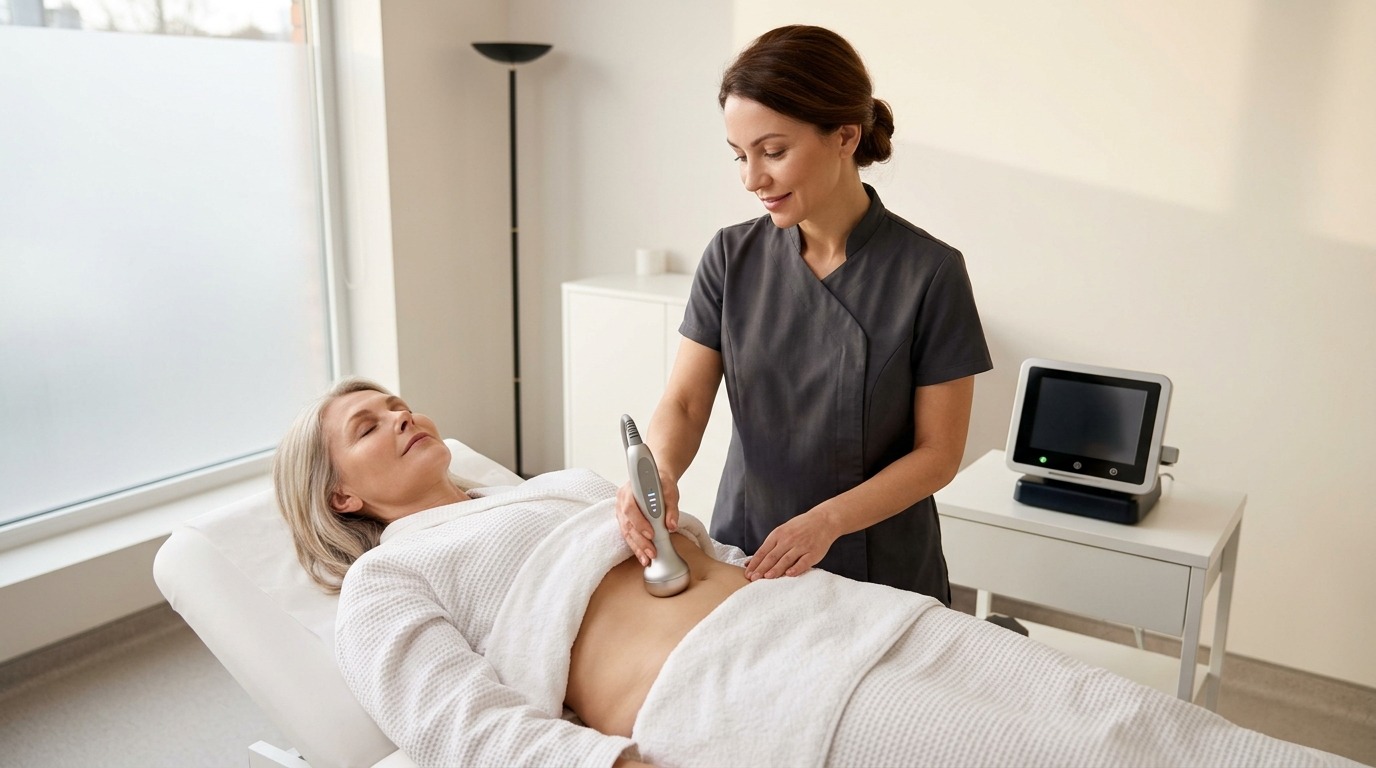
A typical skin tightening session lasts between 30 minutes and 90 minutes, depending on the treatment area and specific technology used. Smaller treatment zones such as the brow or under-eye area may take 30 to 45 minutes, while larger areas like the abdomen, thighs, or full face and neck treatment can extend to 60 minutes or longer. Patients visiting our clinic serving Frederick, Maryland and surrounding areas find these timeframes manageable within a lunch break or afternoon appointment.
Is Skin Tightening Treatment Comfortable or Painful?
Most patients describe skin tightening treatments as comfortable, with a warming sensation during the procedure. The treatment applicator delivers controlled energy while integrated cooling mechanisms protect the skin’s surface. Patients may feel brief warmth or tingling as the device pulses, but the procedure does not typically require anesthesia or pain medication. Any mild redness or warmth following treatment usually resolves within a few hours.
How Does Skin Tightening Support Your Body Contouring Goals?
Non-surgical skin tightening complements body contouring efforts by addressing skin laxity that may remain after fat reduction. This integrated approach helps patients achieve smoother, firmer results that align with their body transformation goals.
Can Skin Tightening Enhance Results After Weight Loss?
Significant weight loss often leaves behind loose, hanging skin that does not respond to diet and exercise alone. Non-surgical skin tightening stimulates collagen production in these areas, improving skin elasticity and reducing the appearance of loose skin on the abdomen, arms, thighs, and other regions. Patients pursuing skin tightening after weight loss near Urbana, Maryland find that these treatments help their skin adapt to their new body shape.
Why Do Patients Combining Fat Reduction with Skin Tightening See Better Outcomes?
When fat reduction and skin tightening are performed together, patients benefit from addressing two concerns simultaneously. Fat reduction procedures eliminate stubborn pockets of fat, while skin tightening treatments improve the elasticity and firmness of overlying skin. This combination approach produces more comprehensive body contouring results than either treatment alone, particularly for patients with moderate skin laxity who want to avoid surgical intervention.
Why Choose Non-Invasive Skin Tightening Over Surgical Options?
Non-surgical skin tightening offers significant advantages for patients seeking skin firming without the commitment and risks of surgery. Understanding these benefits helps patients make informed decisions about their aesthetic care.
What Are the Main Advantages of Non-Surgical Skin Firming Treatments?
Non-surgical skin tightening reduces the risks associated with surgery, including infection, scarring, and adverse reactions to anesthesia. These treatments require no incisions, meaning no surgical scars and a low risk of surgical complications. Patients appreciate that they can achieve noticeable skin firming while maintaining completely natural-looking results that develop gradually over time.
How Does Recovery Time Compare Between Surgical and Non-Surgical Approaches?
Surgical skin tightening procedures such as facelifts or body lifts typically require weeks of recovery, including activity restrictions and post-operative care. Non-surgical skin tightening involves little to no downtime, allowing patients to return to work and normal activities immediately or within one to two days. This convenience makes non-invasive treatments particularly appealing for busy adults in the Germantown, Maryland area who cannot afford extended recovery periods.
Risks, Side Effects and Who Is Not a Candidate
Non-surgical skin tightening is considered safe for most healthy adults when performed by qualified providers. Common side effects are typically mild and temporary, including slight redness, minor swelling, or warmth in the treated area that usually resolves within a few hours to a couple of days.
Certain individuals should not undergo skin tightening treatments or should consult with their healthcare provider first. Patients with implanted electronic devices such as pacemakers should avoid radiofrequency treatments. Pregnant individuals and those with certain skin conditions, active infections, or open wounds in the treatment area should postpone treatment. Patients taking blood-thinning medications or with bleeding disorders should discuss their medical history with a qualified provider before undergoing any skin tightening procedure.
As with any cosmetic treatment, discussing your complete medical history, medications, and aesthetic goals with a qualified provider ensures that skin tightening is appropriate for your individual circumstances.
Maryland Medical Clinic offers comprehensive skin tightening consultations for patients in Frederick, Maryland and surrounding communities including Thurmont, Urbana, New Market, Brunswick, Walkersville, Middletown, Mount Airy, and Hagerstown. Our medical team provides personalized treatment recommendations based on your unique skin concerns and body contouring goals. To schedule a consultation and learn whether non-surgical skin tightening is right for you, contact Maryland Medical Clinic at (240) 341-1600.
Frequently Asked Questions
What is non-surgical skin tightening and how does it work?
Non-surgical skin tightening uses radiofrequency and ultrasound energy to stimulate collagen production and improve skin elasticity. These treatments deliver controlled thermal energy to deeper skin layers, triggering the body’s natural regenerative response without surgery or significant recovery time. The heat causes existing collagen fibers to contract immediately while also stimulating new collagen growth over the following months.
How long does a skin tightening treatment session take?
A typical skin tightening session lasts between 30 minutes and 90 minutes, depending on the treatment area and specific technology used. Smaller treatment zones such as the brow or under-eye area may take 30 to 45 minutes, while larger areas like the abdomen, thighs, or full face and neck treatment can extend to 60 minutes or longer. Patients can typically manage these timeframes within a lunch break or afternoon appointment.
What areas of the body can skin tightening treatments address?
Skin tightening treatments address loose, sagging skin across multiple body areas including the face, neck, abdomen, thighs, arms, and knees. These are common treatment zones where aging, weight fluctuations, or genetics have reduced skin elasticity. Facial treatments target sagging jowls, drooping brow lines, and loose jawline skin, while body treatments address loose skin on the abdomen, arms, and thighs.
Is skin tightening treatment comfortable or painful?
Most patients describe skin tightening treatments as comfortable, experiencing a warming sensation during the procedure. The treatment applicator delivers controlled energy while integrated cooling mechanisms protect the skin’s surface. Patients may feel brief warmth or tingling as the device pulses, but the procedure does not typically require anesthesia or pain medication. Any mild redness or warmth following treatment usually resolves within a few hours.
What results can I expect from non-surgical skin tightening?
Non-surgical skin tightening produces gradual, natural-looking results that develop over two to three months following treatment. Initial firming occurs immediately as collagen fibers contract. The thermal effect triggers new collagen production that continues improving skin elasticity and firmness over the following months. Patients see progressively better outcomes as collagen remodeling occurs.
How does recovery compare between surgical and non-surgical skin tightening?
Non-surgical skin tightening involves little to no downtime, allowing patients to return to work and normal activities immediately or within one to two days. Surgical skin tightening procedures such as facelifts or body lifts typically require weeks of recovery, including activity restrictions and post-operative care. This convenience makes non-invasive treatments particularly appealing for busy adults who cannot afford extended recovery periods.
Who should avoid skin tightening treatments?
Certain individuals should not undergo skin tightening treatments or should consult their healthcare provider first. Patients with implanted electronic devices such as pacemakers should avoid radiofrequency treatments. Pregnant individuals and those with certain skin conditions, active infections, or open wounds in the treatment area should postpone treatment. Patients taking blood-thinning medications or with bleeding disorders should discuss their medical history with a qualified provider before treatment.
This article is general information and is not medical advice. Talk to a licensed clinician about your own situation before making a treatment decision.
Next step
Have a question for Maryland Medical Clinic?
Physician-led medical weight loss and wellness in Frederick, Maryland. GLP-1 programs, peptide therapy, body and face sculpting, regenerative treatments and 3D body scan tracking, in one personalized plan.
Get in touchYour privacy
Nothing leaves this page without your OK.
If you allow it, Google Analytics and Meta help us see which pages patients find useful and whether our ads reach the right people. We never sell your information, and you can change your mind anytime. Privacy Policy