

How Weight Loss Can Change Your Everyday Energy and Outlook
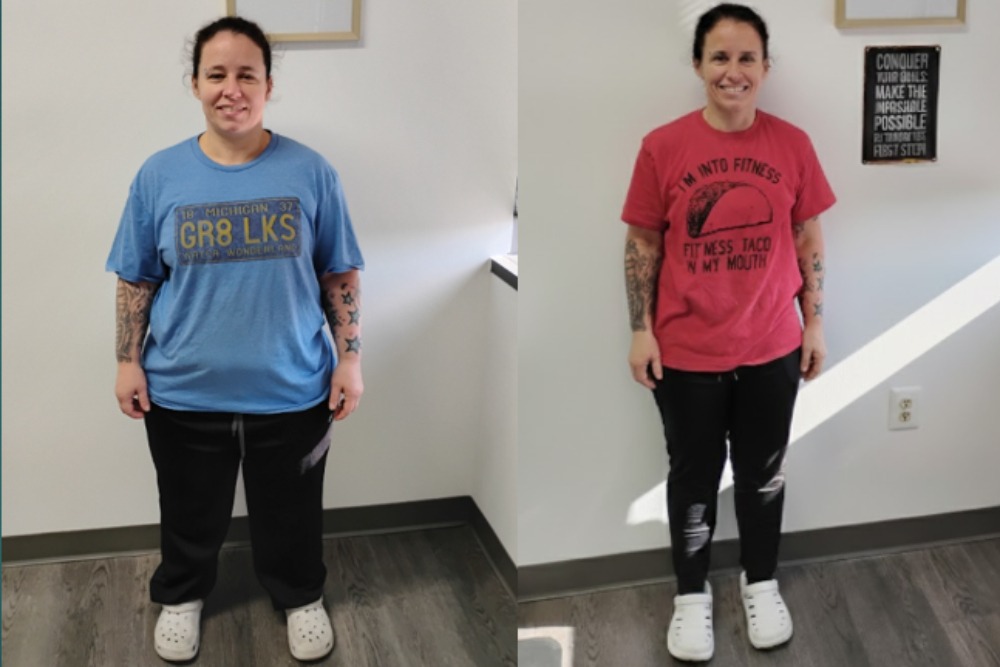
If you’re researching the side effects of weight loss injections, you’re asking exactly the right question before starting treatment. Medications like compounded semaglutide and tirzepatide can be genuinely life-changing, but understanding what to expect physically — the common reactions, the rare risks, and the normal adjustment period — is an essential part of making an informed decision.
At Maryland Medical Clinic, we believe patients deserve the full picture before treatment, not just the highlight reel. So before we talk about the energy and outlook many patients experience once their bodies adjust, let’s start with what you’re really here to learn about: the side effects themselves.
Common Side Effects of Weight Loss Injections
GLP-1 and dual-hormone medications work in part by slowing digestion, which is also why gastrointestinal side effects are the most frequently reported. The most common side effects of semaglutide injections include nausea, diarrhea, vomiting, constipation, abdominal pain, and bloating or gas. These effects are typically most noticeable during the early weeks of treatment or shortly after a dose increase, and they often ease as your body adjusts.
Less common but more serious effects can include pancreatitis (severe abdominal pain), gallbladder problems related to rapid weight loss, kidney issues linked to dehydration from vomiting or diarrhea, and allergic reactions. Patients should also be aware of warning signs like a new lump or swelling in the neck, persistent hoarseness, or difficulty swallowing, which should be reported to a provider right away.
This is exactly why medically supervised treatment matters. Your provider will review your full health history before starting treatment, monitor for warning signs at follow-up visits, and adjust your dose if side effects become difficult to manage, rather than leaving you to navigate them alone.
Managing Side Effects During Treatment
- Eat smaller, more frequent meals to ease digestive discomfort, especially during the first few weeks.
- Avoid high-fat or greasy foods, which can worsen nausea and bloating.
- Stay well hydrated, particularly if you experience diarrhea or vomiting, since dehydration can increase the risk of kidney-related complications.
- Introduce dose increases gradually, following your provider’s titration schedule rather than rushing ahead.
- Track your symptoms, so you and your provider can identify patterns and adjust your plan as needed.
- Report concerning symptoms promptly, including severe abdominal pain, vision changes, or signs of an allergic reaction.
The Energy and Outlook Shift Many Patients Experience
Once initial side effects ease and consistent progress begins, many patients describe a shift that goes well beyond the number on the scale. As blood sugar stabilizes and the body relies less on constant snacking or large meals to manage hunger, energy levels often become more consistent throughout the day instead of spiking and crashing.
Patients frequently report improvements in sleep quality, physical mobility, and day-to-day stamina as excess weight decreases and inflammation markers improve. Beyond the physical changes, many patients describe a meaningful shift in outlook, including more confidence, reduced anxiety around health-related concerns, and a greater sense of control over their long-term health. These changes are highly individual, and outcomes vary from person to person, but they’re a significant part of why so many patients stick with treatment even through an adjustment period.
Key Takeaways
- The most common side effects of weight loss injections are gastrointestinal, including nausea, diarrhea, and constipation, and they often ease over time.
- Rare but serious side effects include pancreatitis, gallbladder issues, and kidney problems, which is why medical supervision matters.
- Simple strategies like smaller meals, hydration, and gradual dose titration can help manage side effects.
- Many patients experience meaningful improvements in energy, sleep, and overall outlook as treatment progresses.
FAQ: What to Expect
Do side effects mean the medication isn’t working? No. Mild gastrointestinal side effects are a common part of how these medications work and are not a sign that treatment has failed. In fact, they often indicate the medication is actively affecting digestion as expected.
How long do side effects typically last? Most patients find that side effects are most noticeable in the first few weeks after starting or increasing a dose, and they tend to improve as the body adjusts. Ongoing or worsening symptoms should always be discussed with your provider.
Will I need to change my dose if side effects are bothersome? Possibly. Your provider may slow your titration schedule, adjust your dose, or recommend supportive strategies to help manage symptoms, depending on your specific situation.
When should I contact my provider immediately? Contact your care team right away if you experience severe abdominal pain, signs of an allergic reaction, vision changes, a new lump in your neck, or persistent vomiting that prevents you from staying hydrated.
Are side effects different between semaglutide and tirzepatide? The two medications share a similar side effect profile, since both slow digestion and affect appetite-regulating hormones. Some patients tolerate one better than the other, which is one reason providers may recommend switching medications if side effects are significant on a particular treatment.
Can lifestyle changes reduce my risk of side effects? Yes, to some degree. Patients who make gradual dietary adjustments, stay well hydrated, and avoid heavy or greasy meals often report an easier adjustment period. However, some degree of gastrointestinal adjustment is common even with these precautions, particularly after a dose increase.
A Supervised, Supportive Approach
Dr. Kathy Garlinghouse, DNP, RN, brings 28 years of healthcare experience to every patient’s treatment plan at Maryland Medical Clinic, with a focus on compassionate, evidence-based care that keeps patients informed and supported through every stage of treatment, not just the initial decision to start.
If you’re weighing the side effects against the potential benefits, you don’t have to figure it out alone. Explore our full range of weight loss services to learn more about compounded semaglutide and tirzepatide, or ask our team about complementary options like Advanced Red Light (Narrow Light Therapy) therapy to support energy and recovery throughout your journey.
Ready to get the full picture and a plan built around your health? Schedule your 15-minute consultation with Maryland Medical Clinic today.
Next step
Have a question for Maryland Medical Clinic?
Physician-led medical weight loss and wellness in Frederick, Maryland. GLP-1 programs, peptide therapy, body and face sculpting, regenerative treatments and 3D body scan tracking, in one personalized plan.
Get in touchYour privacy
Nothing leaves this page without your OK.
If you allow it, Google Analytics and Meta help us see which pages patients find useful and whether our ads reach the right people. We never sell your information, and you can change your mind anytime. Privacy Policy