

Zepbound (Tirzepatide) Maryland Coverage Update
Last updated: August 31, 2026
Maryland patients seeking weight-loss treatment have new reasons for optimism. As of late August 2026, CVS Caremark announced it will begin covering Foundayo starting June 1 and broaden access to Zepbound by October 1, completing a milestone that places Eli Lilly’s complete obesity medication portfolio under coverage from all three major pharmacy benefit managers. For Frederick-area residents who have navigated insurance barriers, this development opens pathways that were previously closed. Maryland Medical Clinic provides medically supervised weight-loss programs including Tirzepatide options, helping patients explore whether these medications align with their health goals.
What Does CVS Caremark’s Tirzepatide Coverage Expansion Mean for Maryland Patients?
CVS Caremark’s decision to add Foundayo and expand Zepbound coverage marks the first instance where all three major pharmacy benefit managers cover Lilly’s obesity treatment portfolio. This shift directly affects Maryland patients who have commercial insurance through employer-sponsored plans or individual policies managed by these PBMs. The coverage expansion means that eligible individuals may now access these medications through their existing pharmacy benefits rather than paying entirely out of pocket.
How Does CVS Caremark’s Decision Affect Tirzepatide Access?
For patients with commercial coverage, the CVS Caremark template update creates a clearer pathway to Tirzepatide and Zepbound through participating pharmacies. Prior authorization requirements may still apply depending on specific plan designs, but the presence of a coverage mandate reduces the likelihood of outright denials based on formulary exclusion. Patients should work with their providers to submit necessary documentation demonstrating medical necessity.
When Will These Coverage Changes Take Effect?
Foundayo coverage begins June 1, while broader Zepbound access takes effect October 1, according to the manufacturer announcement. Maryland patients reviewing their benefits during summer 2026 should confirm their plan’s specific effective dates and any prior authorization timelines that might extend access delays.
What Is Zepbound (Tirzepatide) and How Does It Work?
Zepbound is a prescription medication approved for weight management in adults with obesity or overweight with at least one weight-related comorbidity. The drug operates as a dual receptor agonist, targeting both glucose-dependent insulinotropic polypeptide (GIP) and glucagon-like peptide-1 (GLP-1) receptors. This dual mechanism helps regulate appetite, improve metabolic function, and support sustained weight loss when combined with diet and exercise modifications.
How Is Zepbound Different from Mounjaro?
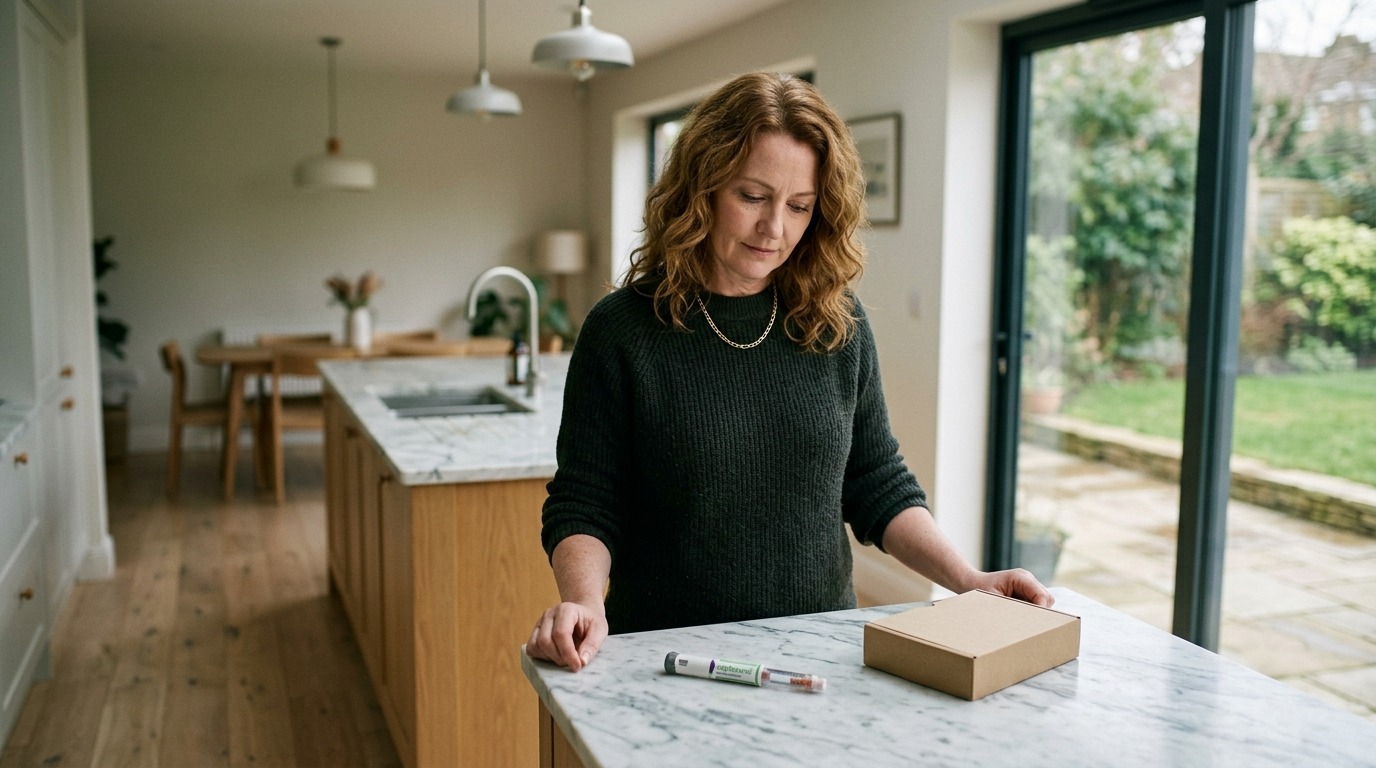
Both medications contain the same active ingredient, Tirzepatide, but carry different approved indications. Mounjaro holds approval specifically for type 2 diabetes management, while Zepbound received approval for chronic weight management. The distinction matters because insurance coverage often depends on the specific indication for which a physician prescribes the medication, and formulary placement may differ between the two products.
What Makes Zepbound a GIP and GLP-1 Dual Receptor Agonist?
The dual receptor activation distinguishes Zepbound from earlier GLP-1 medications that target only one pathway. By simultaneously engaging GIP receptors, the medication may enhance the metabolic effects on blood sugar regulation and appetite suppression.
Why Does This Coverage Expansion Matter for Frederick Residents?
Frederick County residents have increasingly sought weight-loss medications as awareness of effective pharmacological options has grown. The CVS Caremark expansion removes one of the most significant barriers: cost. When insurance covers these medications, patients can pursue medically supervised treatment without facing prohibitive out-of-pocket expenses that previously placed Tirzepatide beyond reach for many working families.
How Might Broader Coverage Help Maryland Communities Like Frederick and Germantown?
Communities including Germantown, Middletown, and Walkersville contain diverse populations with varying access to specialized healthcare. Broader insurance coverage means residents who previously traveled to larger metropolitan areas for weight-loss consultations can now work with local providers. Maryland Medical Clinic serves patients across Frederick County, offering Tirzepatide treatment within a familiar healthcare setting closer to home.
What Barriers Has Limited Access in Thurmont, Urbana, and Surrounding Areas?
Rural and suburban communities such as Thurmont, Urbana, and Brunswick have historically faced limited access to specialists offering advanced weight-loss treatments. Transportation challenges, fewer endocrinology and bariatric medicine specialists, and restrictive insurance policies created cumulative obstacles. Expanded PBM coverage combined with local clinic availability helps address these geographic disparities, enabling more patients to pursue evidence-based treatment closer to their communities.
Who Might Benefit From Zepbound Treatment?
Zepbound is indicated for adults with obesity (BMI of 30 or greater) or overweight (BMI of 27 or greater) who also have at least one weight-related health condition such as hypertension, type 2 diabetes, or dyslipidemia. Candidates should be committed to lifestyle modifications including dietary changes and increased physical activity, as these medications work most effectively as part of a comprehensive weight-management approach.
What Are the Typical Criteria for Zepbound Prescriptions?
Prescribing criteria typically include documented BMI measurements, confirmation of weight-related comorbidities, and a clinical assessment that the patient has not achieved adequate results through lifestyle intervention alone. Providers evaluate medical history, current medications, and potential contraindications before initiating therapy. Each patient’s suitability for Zepbound requires individual evaluation by a qualified healthcare professional.
Is Zepbound Appropriate for Patients in Mount Airy, Hagerstown, and New Market?
Patients in Mount Airy, Hagerstown, and New Market share the same eligibility framework as patients elsewhere. Geographic location does not determine medication appropriateness – individual health status and treatment goals determine suitability. Maryland Medical Clinic welcomes patients from these communities and surrounding areas for consultations to determine whether Zepbound or other Tirzepatide options align with their specific circumstances.
How Can Frederick-Area Patients Access Zepbound Through Their Insurance?
Accessing Zepbound through insurance requires several steps beginning with confirming formulary coverage under the patient’s specific plan. Patients should contact their insurance provider or pharmacy benefit manager to verify coverage status, prior authorization requirements, and any step therapy protocols. Once coverage is confirmed, a prescribing clinician can complete the necessary documentation to initiate therapy.
What Should Patients With Commercial Coverage Know?
Commercially insured patients whose plans include Zepbound may find that prior authorization is required. The documentation typically includes physician notes confirming the diagnosis, BMI verification, and evidence that lifestyle modifications have been attempted. Working with a provider experienced in weight-loss medication management helps support complete documentation submission, potentially reducing delays or denials.
What Medicare Part D Options Exist for Maryland Beneficiaries?
Medicare Part D beneficiaries may access Tirzepatide medications through the Medicare GLP-1 Bridge program, which provides a pathway for beneficiaries facing coverage gaps. Maryland residents enrolled in Medicare Part D should review their plan’s formulary to determine coverage status and explore any available patient assistance programs that might reduce out-of-pocket costs.
Risks, Side Effects and Who Is Not a Candidate
Tirzepatide safety information from the FDA-approved label. Zepbound and Mounjaro carry a boxed warning – the FDA’s most serious warning – for thyroid C-cell tumors seen in rodents; human risk is unknown. Both are contraindicated with a personal or family history of medullary thyroid cancer, the inherited syndrome MEN 2, or serious allergic reaction to tirzepatide. Only Zepbound is approved for weight management; Mounjaro is approved for type 2 diabetes, not weight loss. Zepbound’s label says to stop it once pregnancy is recognized. FDA-approved label
Zepbound carries important safety considerations that patients must understand before starting treatment. Common side effects include nausea, diarrhea, vomiting, constipation, and injection site reactions. More serious potential risks include pancreatitis, gallbladder disease, and thyroid C-cell tumors – Zepbound carries a boxed warning regarding thyroid C-cell tumor risk based on animal studies, and it is contraindicated for patients with personal or family history of medullary thyroid carcinoma or Multiple Endocrine Neoplasia syndrome type 2.
Patients with a history of severe gastrointestinal disease, including gastroparesis, should discuss whether Zepbound is appropriate for their situation. Women who are pregnant or planning pregnancy should not use Zepbound, as weight loss during pregnancy may harm the fetus. Patients should disclose all current medications to their provider, as Tirzepatide can affect absorption of oral medications.
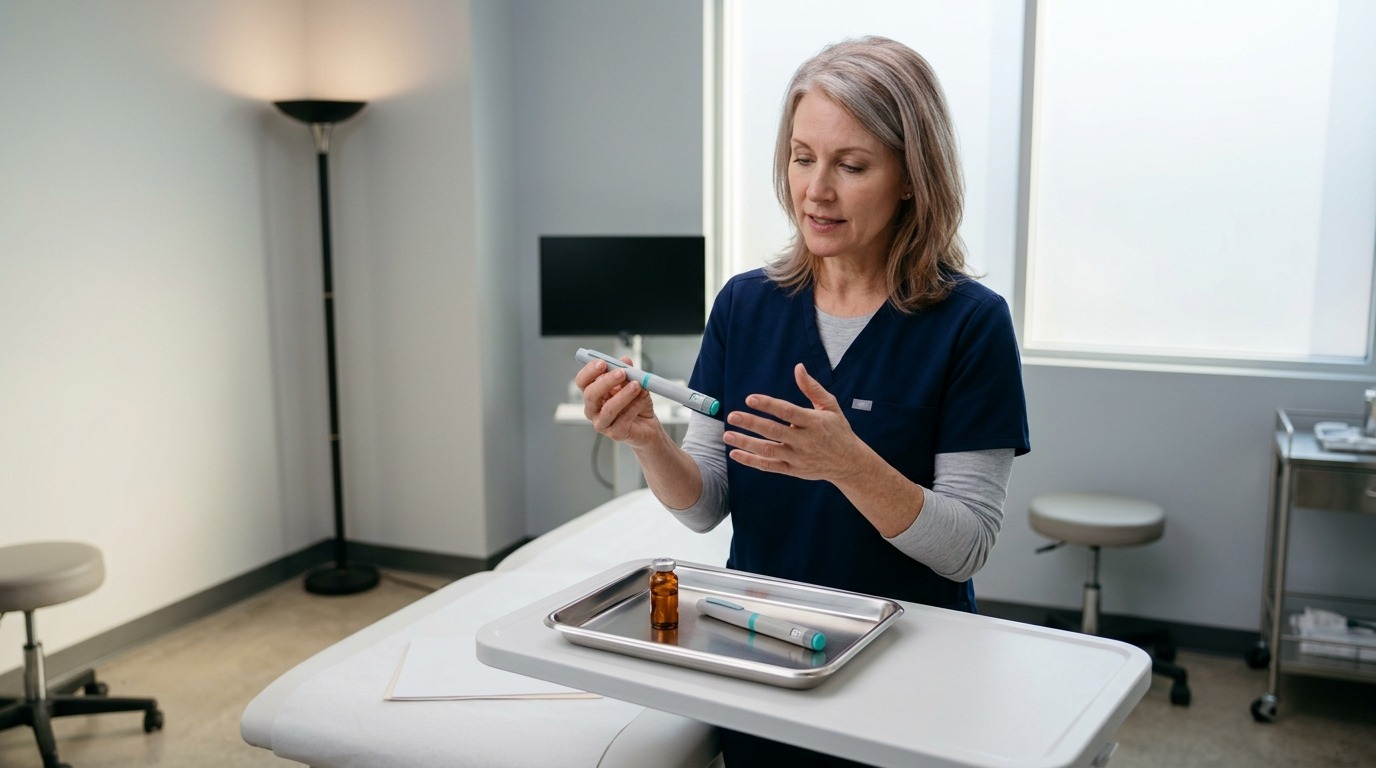
Patients considering Zepbound should have a thorough discussion with their healthcare provider about their complete medical history, including any history of pancreatitis, gallbladder problems, or kidney issues. Regular monitoring during treatment helps identify potential adverse effects early, allowing for timely intervention if needed. Any patient experiencing severe abdominal pain, persistent vomiting, or signs of pancreatitis should seek immediate medical attention.
Maryland Medical Clinic, led by Dr. Jason Reed, provides comprehensive weight-loss consultations for patients in Frederick, Maryland and surrounding communities including Germantown, Walkersville, Middletown, and Brunswick. The clinic offers medically supervised Tirzepatide programs tailored to individual patient needs, with careful attention to safety monitoring throughout treatment. Patients interested in exploring whether Zepbound or other weight-loss medications are appropriate for their health situation can schedule a consultation by calling (240) 341-1600.
Frequently Asked Questions
When will CVS Caremark begin covering Zepbound for Maryland patients?
CVS Caremark will broaden access to Zepbound by October 1, 2026, with Foundayo coverage beginning June 1, 2026. This milestone places Eli Lilly’s complete obesity medication portfolio under coverage from all three major pharmacy benefit managers. Maryland patients with commercial insurance through employer-sponsored or individual plans should confirm their specific plan’s effective dates and any prior authorization timelines.
How does Zepbound work for weight loss?
Zepbound is a dual receptor agonist that targets both GIP and GLP-1 receptors to regulate appetite and improve metabolic function. By simultaneously engaging both pathways, it enhances blood sugar regulation and appetite suppression beyond what single-receptor medications achieve.
Who qualifies for Zepbound treatment?
Zepbound is indicated for adults with obesity (BMI of 30 or greater) or overweight (BMI of 27 or greater) with at least one weight-related condition such as hypertension, type 2 diabetes, or dyslipidemia. Candidates must commit to lifestyle modifications including dietary changes and increased physical activity. Individual health status and treatment goals determine suitability, requiring evaluation by a qualified healthcare professional.
How can Maryland patients access Zepbound through their insurance?
Patients should first confirm formulary coverage under their specific plan by contacting their insurance provider or pharmacy benefit manager. Documentation requirements typically include physician notes confirming diagnosis, BMI verification, and evidence of attempted lifestyle modifications. Working with an experienced provider helps support complete documentation submission, potentially reducing authorization delays.
What are the common side effects of Zepbound?
Common side effects include nausea, diarrhea, vomiting, constipation, and injection site reactions. More serious potential risks include pancreatitis and gallbladder disease. Zepbound carries a boxed warning regarding thyroid C-cell tumor risk and is contraindicated for patients with personal or family history of medullary thyroid carcinoma or Multiple Endocrine Neoplasia syndrome type 2. Patients with severe gastrointestinal disease should discuss alternatives with their provider.
How is Zepbound different from Mounjaro?
Both medications contain the same active ingredient (Tirzepatide), but they hold different FDA approvals. Mounjaro is approved specifically for type 2 diabetes management, while Zepbound received approval for chronic weight management. The distinction matters because insurance coverage depends on the prescribing indication, and formulary placement may differ between the two products.
What are the eligibility criteria for Zepbound prescriptions?
Prescribing criteria typically include documented BMI measurements, confirmation of weight-related comorbidities, and clinical assessment that lifestyle intervention alone has not achieved adequate results. Providers evaluate medical history, current medications, and potential contraindications before initiating therapy. Each patient’s suitability requires individual evaluation by a qualified healthcare professional to determine whether Zepbound aligns with their specific circumstances.
Related reading
- Compounded Tirzepatide Options for Maryland Patients
- Tirzepatide Results: What the SURMOUNT-4 Trial Shows
This article is general information and is not medical advice. Talk to a licensed clinician about your own situation before making a treatment decision.
Next step
Have a question for Maryland Medical Clinic?
Physician-led medical weight loss and wellness in Frederick, Maryland. GLP-1 programs, peptide therapy, body and face sculpting, regenerative treatments and 3D body scan tracking, in one personalized plan.
Get in touchYour privacy
Nothing leaves this page without your OK.
If you allow it, Google Analytics and Meta help us see which pages patients find useful and whether our ads reach the right people. We never sell your information, and you can change your mind anytime. Privacy Policy