
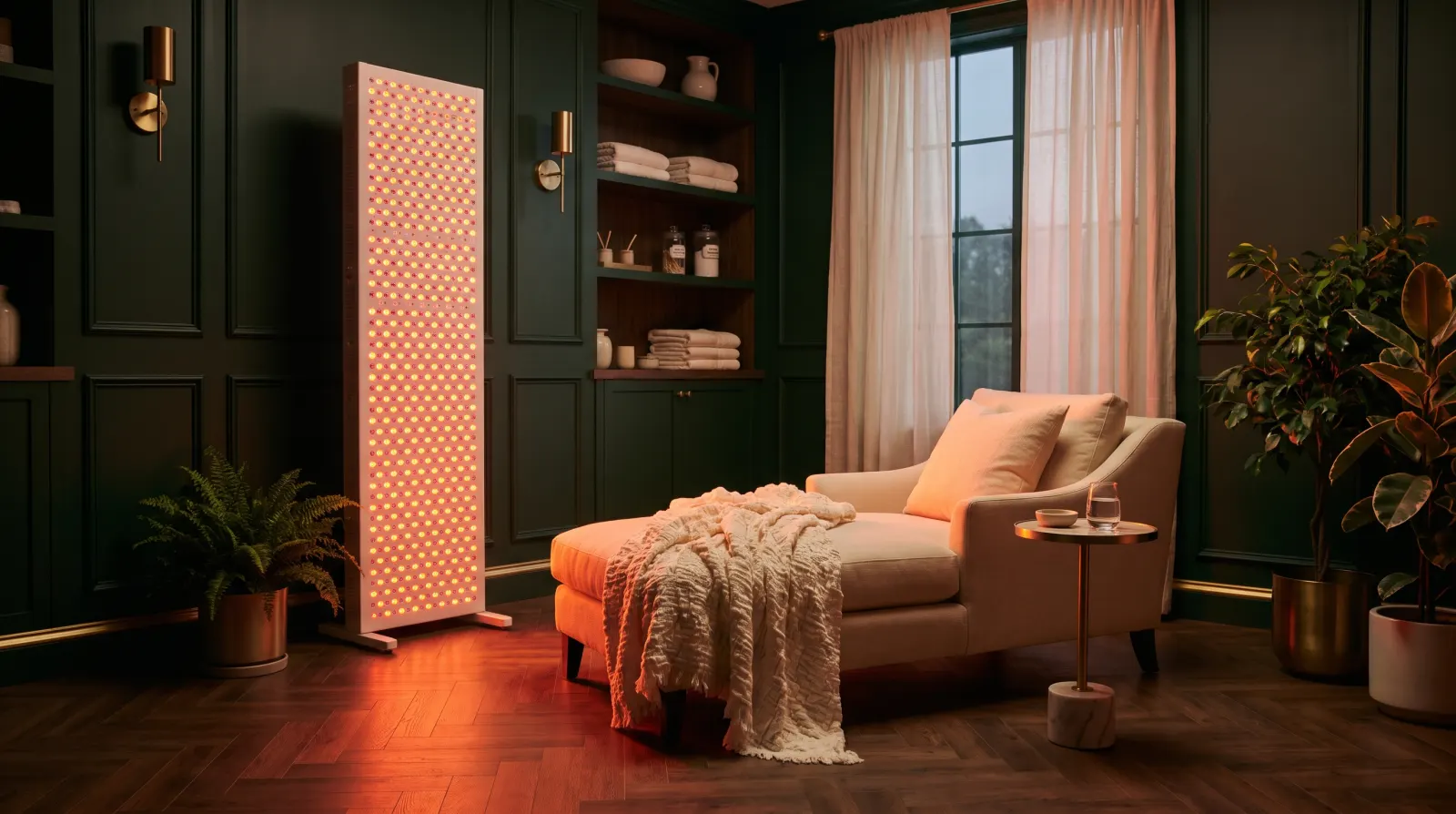
LED Light Therapy: Your Guide to Safe Treatment
Last updated: August 7, 2026
As the med spa industry has grown into a multi-billion-dollar sector, questions about safety standards and professional oversight have come into sharp focus. LED light therapy is one of the most popular phototherapy options available today, yet a New York Post investigation published in 2026 revealed that the majority of facilities operate without direct physician supervision on-site, raising important questions for anyone considering these treatments. For residents of Frederick, Maryland and surrounding communities including Walkersville, Middletown, and Germantown, understanding the difference between physician-supervised care and unregulated providers can make all the difference in treatment outcomes.
What Is the Current State of the LED Light Therapy Industry?
The med spa industry has expanded rapidly over the past decade, with light-based skin rejuvenation becoming increasingly popular. Industry data indicates that the sector has grown into a significant market, yet regulatory frameworks have struggled to keep pace with this expansion. According to a 2026 investigation published in the New York Post, the industry faces challenges with oversight and accountability that affect patient safety across a wide range of cosmetic procedures.
What Safety Concerns Exist in the Med Spa Industry?
When treatments are performed without proper medical oversight, patients may face unnecessary risks. The investigation noted concerns about unqualified personnel performing procedures that should require medical training. For treatments involving light-based technology, improper device settings, incorrect exposure times, or failure to identify contraindications can lead to sub-optimal results or potential harm.
How Does Physician Supervision Protect Patients?
Physician supervision means that a licensed medical professional evaluates each patient before treatment, reviews medical history, and determines appropriate settings for devices. At practices like Maryland Medical Clinic in Frederick, Maryland, sessions are conducted under direct physician oversight. This approach ensures that treatment parameters are customized to individual skin types, conditions, and health considerations.
What Is LED Light Therapy and How Does It Work?
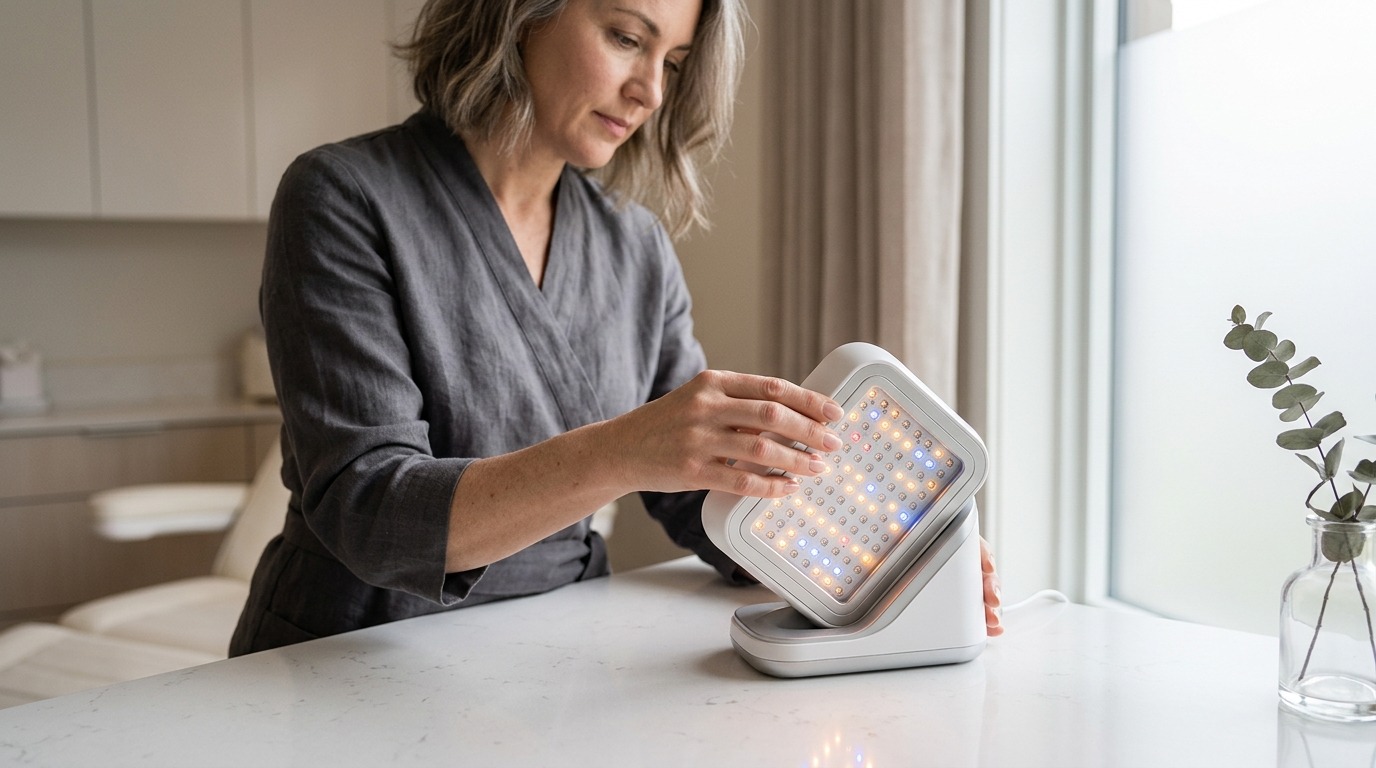
LED light therapy is a non-invasive approach that uses specific wavelengths of light to stimulate natural cellular processes in the skin. Unlike ultraviolet light from the sun, which can damage skin, therapeutic LED wavelengths are carefully selected to interact positively with skin cells without causing harm. The energy from these light waves is absorbed by mitochondria, the powerhouses of cells, which then support various repair and regeneration processes.
What Is Photobiomodulation Therapy?
Photobiomodulation therapy is the scientific term for the process by which light energy stimulates biological activity in cells. Research indexed in PubMed documents the mechanisms through which specific light wavelengths influence cellular function. When photons from LED light penetrate skin tissue, they can increase adenosine triphosphate production, reduce oxidative stress, and modulate inflammatory responses. These effects support the skin’s natural ability to repair and renew itself.
How Do Different Wavelengths Target Different Concerns?
Different colors of light penetrate skin at varying depths and trigger distinct biological responses. Red light in the 630 to 660 nanometer range penetrates to the dermis and stimulates cellular activity. Blue light at 405 to 420 nanometers works more on the skin’s surface to address bacterial concerns. Near-infrared light at 800 to 900 nanometers penetrates even deeper, reaching underlying tissue. This spectrum of options allows providers to tailor treatments to specific skin conditions and goals.
What Conditions Can Light-Based Therapy Treat?
Phototherapy has been cleared by the FDA for several clinical applications, making it a versatile option for patients seeking non-invasive skin treatments. Clinical protocols using specific wavelengths have demonstrated effectiveness for anti-aging, acne management, and general skin health maintenance. The treatment works by addressing both the underlying causes of skin concerns and their visible symptoms.
How Does Red Light Therapy Reduce Wrinkles and Fine Lines?
Red light therapy for wrinkles works by stimulating the skin’s natural collagen-producing cells. When fibroblasts in the dermis receive light energy, they become more active in producing collagen and elastin fibers. This increased production helps restore skin firmness and reduces the appearance of fine lines over time. Regular sessions can support long-term improvements in skin texture and elasticity.
How Does Blue Light Therapy Address Acne and Blemishes?
Blue light therapy targets the bacteria that contribute to acne breakouts without affecting surrounding skin tissue. When blue wavelengths reach Propionibacterium acnes bacteria, they generate reactive oxygen species that damage the bacterial cells. This reduces active acne and can prevent future breakouts. Blue light also helps regulate sebum production, addressing one of the root causes of oily skin and clogged pores.
What Happens During a Light Therapy Session?
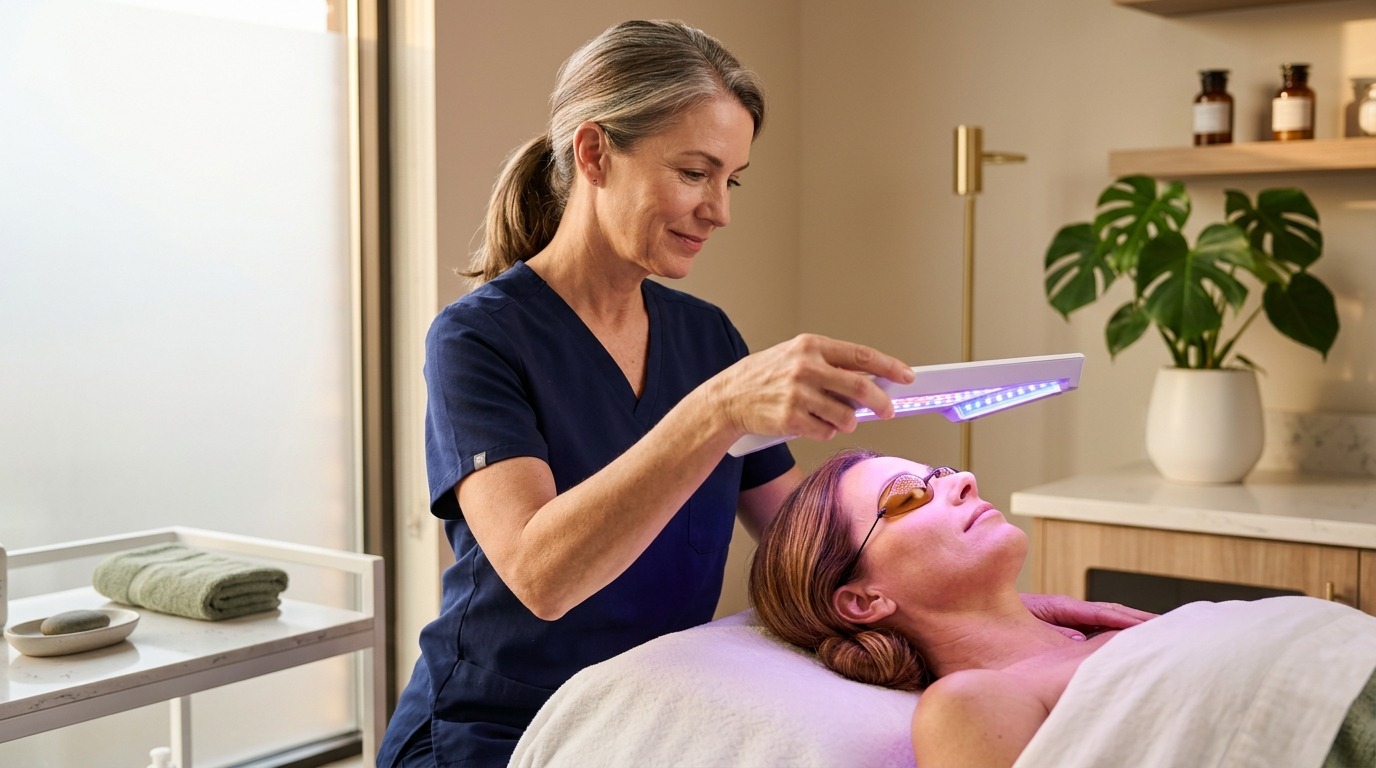
Patients at Maryland Medical Clinic experience a comfortable, straightforward treatment process designed for relaxation and results. Before beginning, a team member will review your treatment plan and ensure proper eye protection is in place. The LED panel is positioned above the treatment area, and patients simply rest while the therapeutic light bathes the skin.
What Should You Expect During Treatment?
The sensation during light therapy is gentle and warming, often described as relaxing rather than therapeutic in a clinical sense. Patients wearing protective eyewear can keep their eyes open or closed during the session. There is no pain, no heat discomfort, and no recovery time required afterward. Many patients use this time to rest, read, or simply unwind while the light does its work.
How Long Does Each Session Take?
A typical session lasts between 20 and 30 minutes depending on the treatment area and specific protocol. Facial treatments often run 20 minutes, while larger body areas may require additional time. Your physician at Maryland Medical Clinic will recommend an appropriate session duration based on your individual skin goals and the conditions being addressed.
What Are the Benefits of Red Light Therapy for Skin Health?
Red light therapy offers multiple benefits for skin health beyond reducing wrinkles. The treatment supports cellular energy production, improves circulation, and helps normalize inflammatory responses in skin tissue. Patients often notice improvements in skin tone, texture, and overall radiance after a series of treatments. These benefits make red light therapy a popular choice for those seeking comprehensive skin rejuvenation.
How Does Red Light Support Natural Collagen Production?
Red light wavelengths between 630 and 660 nanometers penetrate the dermis and stimulate fibroblast activity. Fibroblasts are the cells responsible for producing collagen and elastin, the structural proteins that keep skin firm and supple. By energizing these cells, red light amplifies the skin’s natural regenerative capacity. Over time, this leads to thicker, more resilient skin with reduced fine lines and improved texture.
What Makes Infrared Light Therapy Different?
Near-infrared light therapy operates at wavelengths between 800 and 900 nanometers, allowing deeper penetration through skin layers. This deeper reach means infrared light can affect not only surface skin cells but also underlying tissue. Some patients use near-infrared therapy for purposes beyond skin health, as the deeper penetration can support tissue repair and comfort in muscles and joints.
What Questions Should You Ask Before Booking a Light Therapy Treatment?
Being an informed patient means asking the right questions before committing to any aesthetic treatment. Understanding provider qualifications, equipment standards, and treatment protocols helps ensure a safe and effective experience. These questions apply whether you are considering treatment in Frederick, Maryland or anywhere else.
How Do You Verify Provider Credentials?
Ask directly about who will be overseeing your treatment and whether a physician is present during sessions. At Maryland Medical Clinic, physician-supervised treatments mean a licensed medical professional evaluates your skin, confirms treatment appropriateness, and monitors your sessions. Be cautious of providers who cannot clearly explain their medical oversight structure or who operate without on-site physician availability. Learn more about our supervised approach or explore how light-based treatments support other health goals.
What Device Brands Are FDA-Cleared?
Not all light therapy devices are created equal. The FDA has cleared specific devices for particular uses, which means those devices have undergone review for safety and effectiveness. Ask your provider about the specific devices they use and their FDA clearance status. Practices committed to quality outcomes, like Maryland Medical Clinic, can explain the devices they use and the regulatory status of their devices.
For Frederick-area residents exploring non-invasive skin treatments, understanding the difference between physician-supervised care and unregulated providers is essential. Maryland Medical Clinic offers phototherapy under direct physician supervision, ensuring treatments are tailored to individual skin needs and delivered with appropriate medical oversight. Adults in Frederick, Walkersville, Middletown, Germantown, and surrounding Maryland communities are welcome to schedule a consultation to learn whether light-based therapy may support their skin health goals. Contact Maryland Medical Clinic at (240) 341-1600 to speak with a team member about your options.
Frequently Asked Questions
What is LED light therapy and how does it work?
LED light therapy is a non-invasive treatment that uses specific wavelengths of light to stimulate natural cellular processes in the skin. The energy from therapeutic wavelengths is absorbed by mitochondria, the powerhouses of cells, which then support repair and regeneration. This process, called photobiomodulation therapy, uses carefully selected wavelengths that interact positively with skin cells without causing harm.
How does red light therapy reduce wrinkles and fine lines?
Red light therapy at 630 to 660 nanometer wavelengths penetrates the dermis and stimulates fibroblast activity. Fibroblasts are cells responsible for producing collagen and elastin, the structural proteins that keep skin firm. By energizing these cells, red light therapy amplifies the skin’s natural regenerative capacity, leading to improved texture, firmness, and reduced fine lines over time.
How does blue light therapy treat acne and blemishes?
Blue light therapy at 405 to 420 nanometers targets the Propionibacterium acnes bacteria that contribute to acne breakouts. When blue wavelengths reach these bacteria, they generate reactive oxygen species that damage the bacterial cells, reducing active acne. Blue light also helps regulate sebum production, addressing one of the root causes of oily skin and preventing future breakouts.
How long is an LED light therapy session?
A typical LED light therapy session lasts between 20 and 30 minutes depending on the treatment area and specific protocol. Facial treatments often run 20 minutes, while larger body areas may require additional time. Your physician will recommend an appropriate session duration based on your individual skin goals and the conditions being addressed.
What should I expect during an LED light therapy session?
During treatment, you will wear protective eyewear while an LED panel is positioned above the treatment area. The sensation is gentle and warming, often described as relaxing. You can keep your eyes open or closed during the session. There is no pain, no heat discomfort, and no recovery time required afterward. Many patients rest, read, or simply unwind during treatment.
What wavelength ranges does LED therapy use and what do they treat?
LED therapy uses three main wavelength ranges: red light at 630 to 660 nanometers penetrates the dermis and stimulates cellular activity for anti-aging. Blue light at 405 to 420 nanometers works on the skin’s surface to address bacterial concerns and acne. Near-infrared light at 800 to 900 nanometers penetrates deeper to reach underlying tissue for comprehensive skin rejuvenation.
How can I verify my LED light therapy provider is qualified?
Ask directly whether a physician oversees your treatment and is present during sessions. A qualified provider should clearly explain their medical oversight structure and confirm a licensed medical professional evaluates your skin, confirms treatment appropriateness, and monitors your sessions. Be cautious of providers who cannot verify their medical supervision or operate without on-site physician availability.
Next step
Have a question for Maryland Medical Clinic?
Physician-led medical weight loss and wellness in Frederick, Maryland. GLP-1 programs, peptide therapy, body and face sculpting, regenerative treatments and 3D body scan tracking, in one personalized plan.
Get in touchYour privacy
Nothing leaves this page without your OK.
If you allow it, Google Analytics and Meta help us see which pages patients find useful and whether our ads reach the right people. We never sell your information, and you can change your mind anytime. Privacy Policy