

LED Light Therapy: Why Maryland Clinics Are Investing in It
Last updated: September 12, 2026
Patients and providers across Maryland are watching a quiet revolution in non-invasive wellness technology, with the state emerging as a regional leader in adopting advanced therapeutic approaches. The global market for non-invasive fat reduction is on track to expand from an estimated $1.75 billion in 2025 to approximately $2.9 billion by 2030, representing a 65.7 percent increase over five years. This growth signals a fundamental shift in how patients pursue body contouring and skin rejuvenation goals.
Why Is the Non-Invasive Body Contouring Market Growing So Quickly?
The demand for non-invasive body contouring is accelerating rapidly across Maryland and the broader United States. This expansion is driven by patient preferences for treatments that fit busy schedules, eliminate recovery downtime, and avoid surgical risks. LED light therapy devices are playing a significant role in this sector, offering versatile applications for both cosmetic and wellness purposes without requiring incisions or anesthesia. As photobiomodulation technology advances, more clinics throughout Frederick County and surrounding Maryland regions are adopting these evidence-based systems.
What Is Driving Patients Toward Non-Surgical Options?
Patients increasingly prefer treatments that fit into busy schedules without requiring recovery time. The technology uses specific wavelengths to target tissue without incisions or anesthesia. The absence of downtime appeals to working adults who cannot accommodate surgical recovery periods. Additionally, advances in photobiomodulation technology have made these devices more accessible to clinics serving communities throughout Frederick County and surrounding Maryland regions.
How Does Market Growth Benefit Maryland Patients?
As demand rises, more clinics are investing in evidence-based programs, increasing availability across Maryland. This competitive expansion means patients in areas such as Frederick, Germantown, and Hagerstown have growing access to qualified providers offering light therapy in clinical settings. Maryland Medical Clinic has positioned itself at the forefront of this trend by integrating photobiomodulation into its comprehensive wellness offerings.
What Is LED Light Therapy?
LED light therapy, also referred to as photobiomodulation therapy, is a treatment approach that applies specific wavelengths of visible and near-infrared light to stimulate cellular activity. This method exposes skin or targeted tissue to therapeutic light, which penetrates at varying depths depending on the wavelength selected. Practitioners utilize this technology for both cosmetic and wellness applications, making it a versatile addition to modern medical spa and clinical environments across Maryland.
How Does Photobiomodulation Work at the Cellular Level?
Research indicates that red and near-infrared wavelengths interact with mitochondria, the energy-producing structures within cells. The mitochondria absorb specific wavelengths, potentially supporting tissue repair and inflammatory response regulation. A 2020 systematic review published in PubMed examines the cellular mechanisms underlying photobiomodulation. This mechanism forms the scientific foundation for using this approach in both skin care and body applications.
What Skin Conditions Can LED Light Therapy Address?
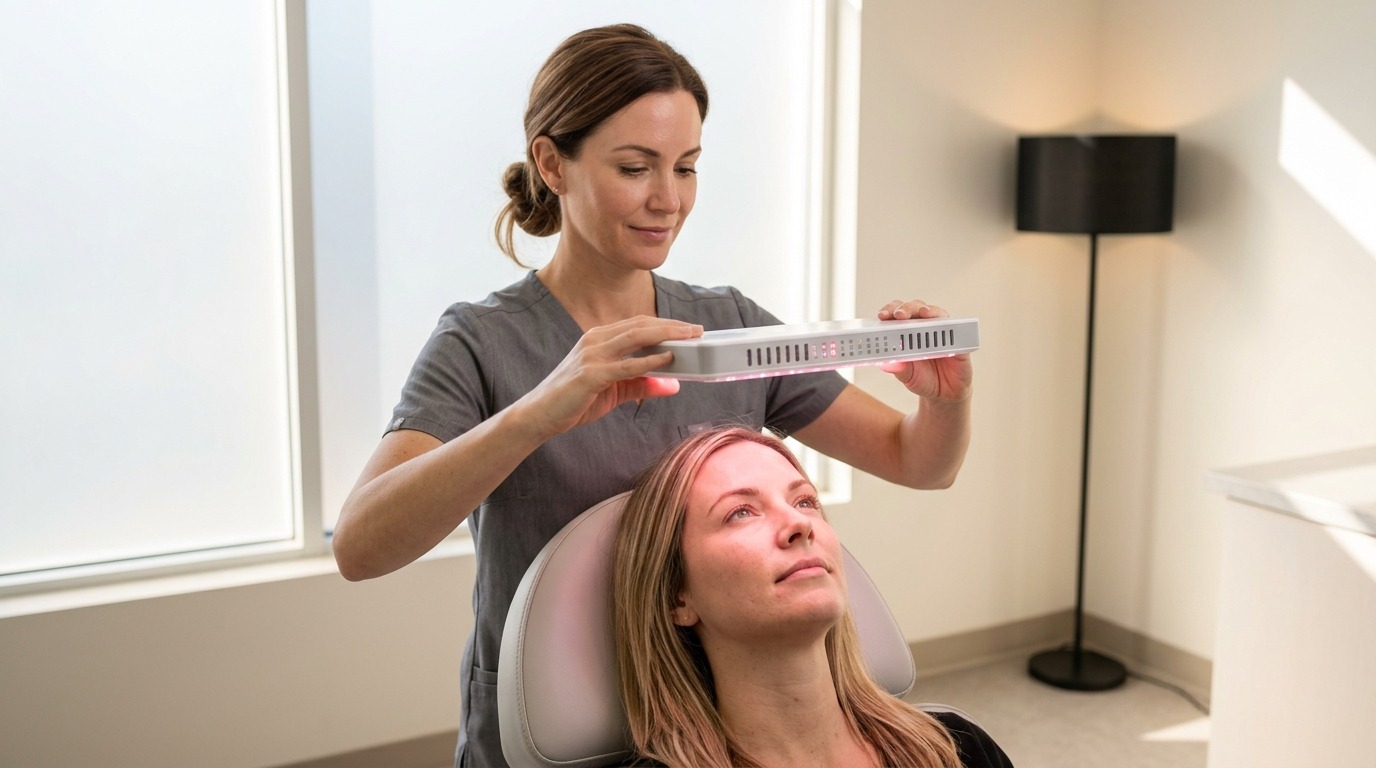
LED light therapy serves multiple dermatological purposes, with red and blue wavelengths addressing some of the most common patient concerns in skin care today. Red wavelengths target signs of aging by potentially supporting collagen synthesis, while blue light addresses acne through its antimicrobial properties against breakout-causing bacteria. Both approaches offer non-pharmaceutical alternatives for patients seeking evidence-based skin treatments in clinical settings.
How Does Red Light Therapy Reduce Signs of Aging?
Red light therapy for wrinkles and fine lines has gained substantial attention in cosmetic dermatology. According to a review evaluating red light therapy in cosmetic dermatology, evidence supports its use as an adjunctive treatment for mild photoaging. This approach may stimulate collagen synthesis and support tissue repair processes. Patients seeking non-invasive approaches to skin rejuvenation often find this option compatible with other anti-aging regimens.
Can Blue Light Therapy Help With Acne?
Blue light therapy targets acne through its antimicrobial properties, addressing the bacteria that contribute to breakouts. The same review found evidence supporting blue light as a safe option for acne management. Many patients prefer this approach over topical or oral medications due to its non-pharmaceutical nature. A licensed aesthetician or qualified practitioner can incorporate blue light therapy into customized skin care protocols.
How Does LED Light Therapy Support Body Contouring Goals?
LED light therapy contributes to body contouring programs through mechanisms that complement a healthy lifestyle. This approach uses red and near-infrared wavelengths to target tissue, potentially supporting the goals of patients engaged in weight management. Research suggests that photobiomodulation may assist with tissue firming and body shaping when combined with proper nutrition and exercise. Maryland Medical Clinic integrates this therapy into physician-supervised weight loss programs, recognizing that body contouring works best as part of a comprehensive approach.
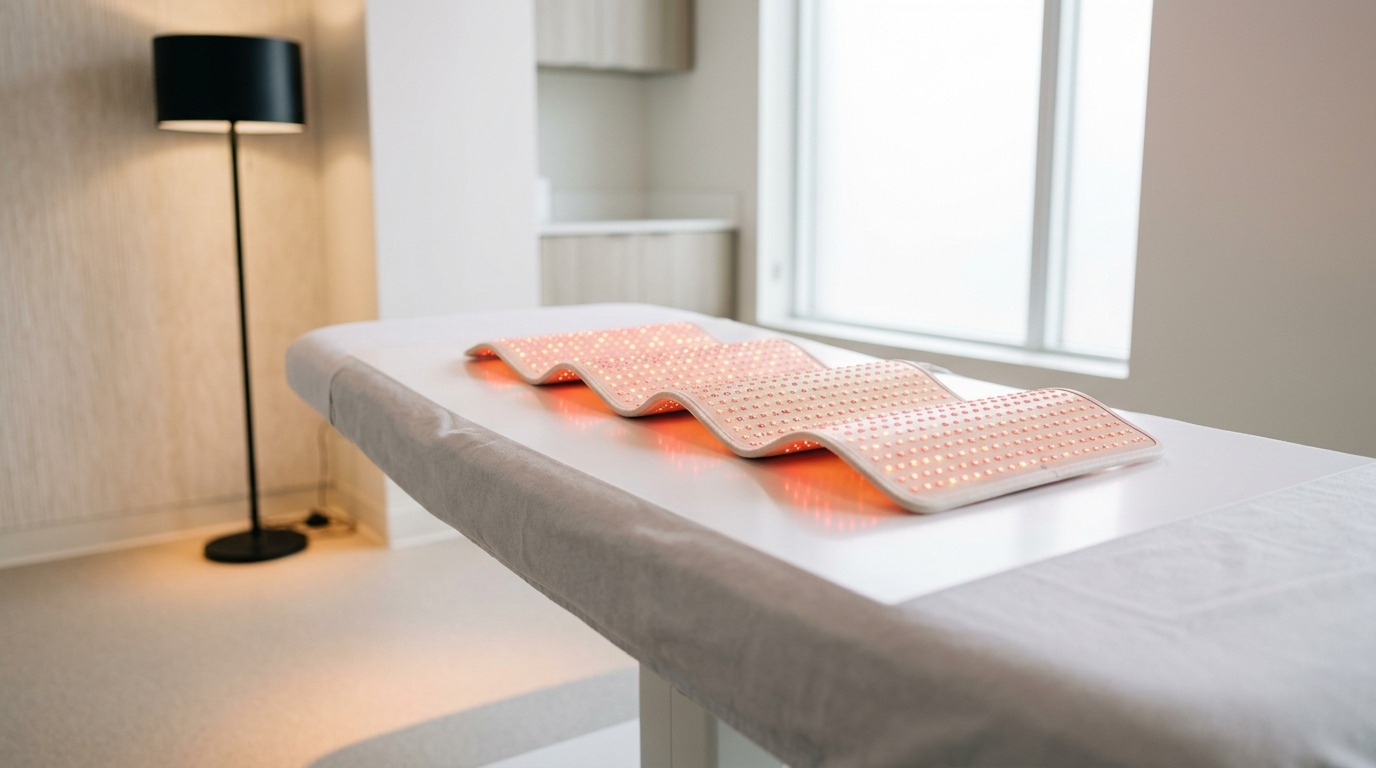
Patients exploring LED light therapy for weight loss should understand that results vary based on individual factors including overall health, treatment consistency, and lifestyle habits. The clinic’s medically supervised approach ensures that therapy aligns with each patient’s broader wellness objectives. For those in Frederick, Urbana, and surrounding communities, this evidence-based option provides an additional tool in their transformation journey. Patients can also learn more about the clinic’s approach to LED light therapy and other wellness services on their website.
Is LED Light Therapy Safe for Everyone?
LED light therapy is generally considered safe for most adults when performed by qualified practitioners using appropriate devices. The non-invasive nature of the treatment means it avoids many of the risks associated with surgical procedures. Most patients experience minimal sensation during sessions and can return to normal activities immediately afterward. Safety profiles may vary based on individual health conditions, skin type, and the specific devices used in treatment.
What Should I Expect During a Treatment Session?
During a typical session, patients relax while a trained provider positions therapeutic light panels or pads over targeted areas. The treatment produces minimal sensation, and most individuals find it comfortable. Session duration varies based on the treatment area and specific goals. Maryland Medical Clinic provides detailed consultations where practitioners explain what to expect and tailor the approach to individual needs. Patients in Brunswick, Walkersville, and Middletown have access to these personalized assessments at the clinic’s Frederick location.
Risks, Side Effects and Who Is Not a Candidate
LED light therapy carries some risks and is not suitable for all individuals. Common side effects may include temporary redness, warmth, or mild skin irritation in the treated area. Individuals with photosensitivity conditions, certain skin disorders, or those taking medications that increase light sensitivity should consult with a qualified provider before treatment. Pregnant patients and those with specific medical conditions should discuss eligibility with their clinician. Patients should inform their provider about all current medications and health conditions during consultation. The risks and contraindications vary by device and individual circumstances, making professional guidance essential before beginning any LED therapy program.
Maryland Medical Clinic prioritizes patient safety through thorough consultations and individualized treatment planning. The clinic’s physician-supervised approach ensures that candidates receive appropriate screening and ongoing assessment throughout their treatment journey.
Ready to Explore LED Light Therapy in Frederick?
LED light therapy represents a scientifically supported option for patients seeking non-invasive skin rejuvenation and body contouring support. Maryland Medical Clinic offers consultations for individuals in Frederick, Germantown, Thurmont, Urbana, New Market, Brunswick, Walkersville, Middletown, Mount Airy, Hagerstown, and surrounding Maryland communities. The clinic’s team combines clinical expertise with a commitment to evidence-based wellness care, helping patients determine whether this therapy aligns with their individual health goals. To schedule a consultation, contact Maryland Medical Clinic at (240) 341-1600. Patients can also learn more about the clinic’s approach to wellness services on their website.
Frequently Asked Questions
What is LED light therapy and how does it work?
LED light therapy, also known as photobiomodulation, uses specific wavelengths of visible and near-infrared light to stimulate cellular activity. Red and near-infrared wavelengths interact with mitochondria within cells, potentially supporting tissue repair and inflammatory response regulation. Treatment penetrates at varying depths depending on wavelength selection, making it effective for both skin care and body applications.
What skin conditions can LED light therapy address?
LED light therapy addresses multiple skin concerns. Red light therapy supports collagen synthesis and may reduce wrinkles and fine lines associated with mild photoaging. Blue light therapy targets acne-causing bacteria through its antimicrobial properties.
How long does an LED light therapy session take?
LED light therapy session duration varies based on the treatment area and specific goals. During treatment, patients relax while a trained provider positions therapeutic light panels or pads over targeted areas. The treatment produces minimal sensation and most individuals find it comfortable. Maryland Medical Clinic provides detailed consultations to explain what to expect and tailor each session to individual needs.
What are the risks and side effects of LED light therapy?
Common side effects may include temporary redness, warmth, or mild skin irritation in the treated area. LED therapy is not suitable for individuals with photosensitivity conditions, certain skin disorders, or those taking medications that increase light sensitivity. Pregnant patients and those with specific medical conditions should discuss eligibility with their clinician before beginning treatment.
What results can I expect from LED light therapy for body contouring?
LED light therapy supports body contouring using red and near-infrared wavelengths to target tissue alongside a healthy lifestyle. Results vary based on individual factors including overall health, treatment consistency, and lifestyle habits. The technology works best as part of a comprehensive approach rather than as a standalone solution. Maryland Medical Clinic integrates LED therapy into physician-supervised weight loss programs.
Is LED light therapy safe for everyone?
LED light therapy is generally considered safe for most adults when performed by qualified practitioners using appropriate devices. However, individuals with photosensitivity conditions, certain skin disorders, or those taking photosensitizing medications should consult a provider first. Pregnant patients and those with specific medical conditions require clinician evaluation. Professional screening ensures patient safety throughout treatment.
This article is general information and is not medical advice. Talk to a licensed clinician about your own situation before making a treatment decision.
Next step
Have a question for Maryland Medical Clinic?
Physician-led medical weight loss and wellness in Frederick, Maryland. GLP-1 programs, peptide therapy, body and face sculpting, regenerative treatments and 3D body scan tracking, in one personalized plan.
Get in touchYour privacy
Nothing leaves this page without your OK.
If you allow it, Google Analytics and Meta help us see which pages patients find useful and whether our ads reach the right people. We never sell your information, and you can change your mind anytime. Privacy Policy