

LED Light Therapy: What Clinical Research Shows
Last updated: August 26, 2026
A study documented in the Journal of Cosmetic Dermatology demonstrates that controlled LED light exposure using specific wavelengths can produce measurable reductions in abdominal adipose tissue, offering patients a scientifically grounded alternative to more invasive procedures. This research gives Frederick-area medical providers a credible foundation for discussing treatment protocols with individuals exploring evidence-based wellness options. Understanding what clinical trials actually measure helps prospective patients make informed decisions about whether LED therapy aligns with their health goals.
What Does Clinical Research Reveal About LED Light Therapy?
The randomized controlled trial divided participants into three groups, with those receiving actual LED treatment demonstrating measurable improvements compared to sham treatment controls. Histological analysis of tissue samples revealed skin quality improvements including increased collagen deposition and increased macrophage presence in the subcutaneous layer. These findings provide clinical documentation for practitioners implementing LED photobiomodulation protocols.
How Does Photobiomodulation Work on a Cellular Level?
Photobiomodulation operates through light energy absorption by cellular chromophores, particularly cytochrome c oxidase in mitochondria. This absorption triggers increased adenosine triphosphate production, enhanced cellular metabolism, and improved tissue repair processes. The mechanism supports fat cell metabolism while promoting collagen synthesis in skin tissue. Clinical evidence demonstrates these cellular responses translate to measurable physical outcomes in treated areas.
What Did the Study Measure in Abdominal Fat Reduction?
The PMC clinical protocol study measured multiple outcomes including anthropometric data, ultrasound imaging of adipose layers, and histological changes in tissue samples. Researchers tracked waist circumference, body fat percentage, and patient satisfaction alongside objective imaging measurements. Results showed significant decreases in umbilical perimetry and body fat layer thickness determined by ultrasound in the LED treatment group.
How Do Clinical Protocols Establish LED Treatment Parameters?
Evidence-based LED therapy relies on specific treatment parameters established through controlled clinical research. A systematic review and meta-analysis examining transabdominal photobiomodulation analyzed 24 studies comprising 1,041 patients and 100 animal subjects, revealing significant improvements in waist circumference, hip circumference, insulin levels, and triglyceride measurements. This comprehensive review underscores the importance of wavelength selection and treatment frequency in achieving optimal outcomes. Clinical protocols differentiate between red wavelengths primarily targeting skin health and near-infrared wavelengths penetrating deeper tissue for adipose effects.
What Wavelengths Are Used in Evidence-Based LED Therapy?
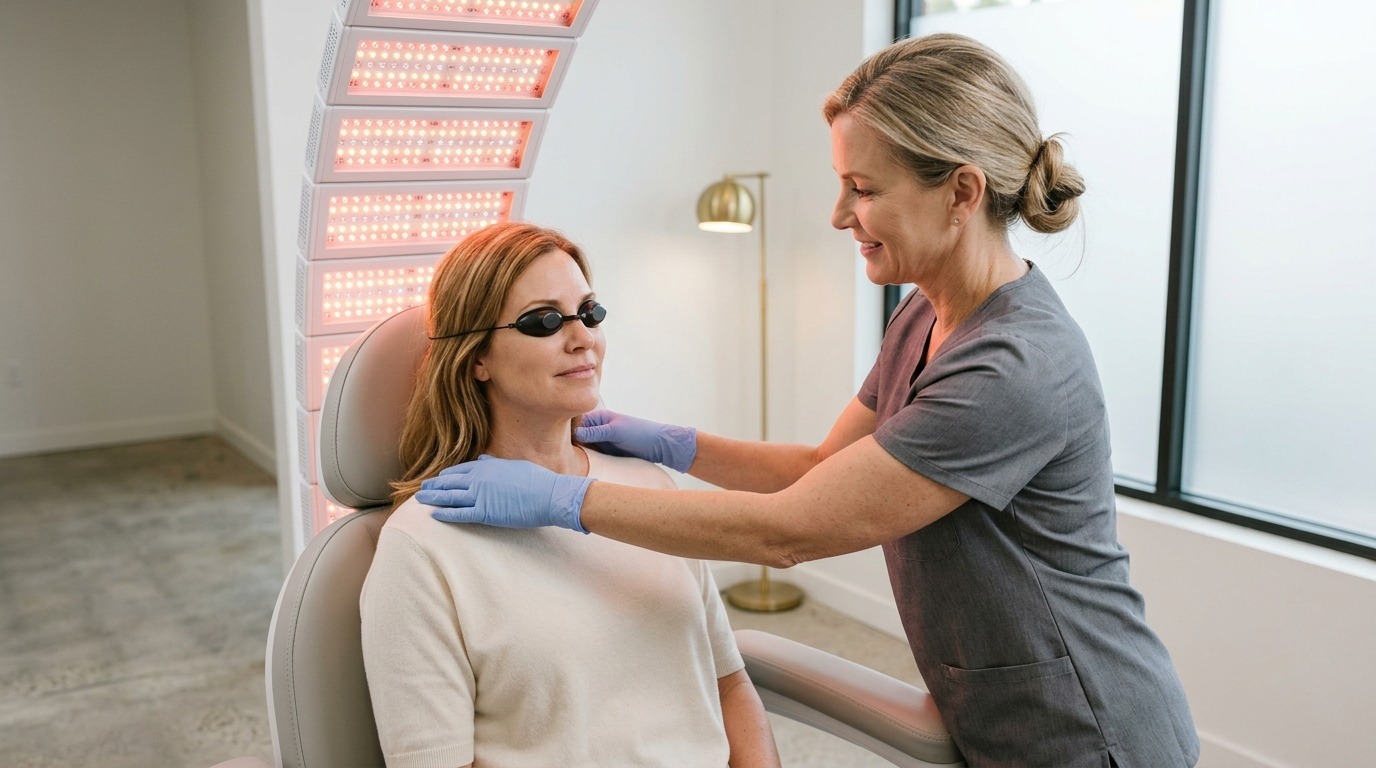
Clinical LED therapy typically employs red wavelengths between 630-660 nanometers and near-infrared wavelengths between 810-850 nanometers. The 2025 clinical protocol study utilized consecutive application of both red and infrared LED, with red wavelengths supporting skin surface benefits and infrared wavelengths reaching deeper subcutaneous tissue. This dual-wavelength approach addresses both dermatological and body contouring objectives in single treatment sessions.
How Many Sessions Are Needed for Measurable Outcomes?
Treatment protocols documented in clinical research typically recommend multiple sessions over several weeks to achieve measurable results. The documented protocol study utilized consistent application timing across treatment groups, establishing baseline parameters for replicable clinical implementation. Individual response varies based on treatment area, baseline tissue composition, and overall wellness goals.
What Wellness Benefits Does LED Light Therapy Provide?
LED light therapy offers multiple wellness applications beyond body contouring, making it a versatile tool in comprehensive aesthetic medicine. The documented research demonstrates improvements in skin appearance alongside adipose reduction, providing dual benefits from single treatment approaches. Clinical applications differ significantly from spa alternatives through controlled parameters, professional oversight, and evidence-based implementation protocols. Patients seeking LED light therapy for skin improvements can access clinically validated treatment options through qualified providers.
Can LED Therapy Support Skin Health and Anti-Aging?
Clinical evidence demonstrates that LED photobiomodulation stimulates collagen production and improves skin texture and tone. Red light therapy benefits include increased collagen deposition observed in histological analysis of treated tissue samples. Near-infrared wavelengths penetrate deeper layers, supporting tissue repair and reducing visible signs of aging. These skin health applications complement body contouring outcomes for comprehensive wellness approaches.
How Does Blue Light Address Skin Conditions Like Acne?
Blue light therapy targets acne-causing bacteria through specific wavelength exposure that triggers bacterial destruction without damaging surrounding tissue. This application addresses skin conditions through a different mechanism than red or infrared wavelengths, demonstrating LED technology’s versatility across dermatological concerns. Maryland Medical Clinic offers comprehensive LED therapy services for various skin wellness objectives.
Is LED Light Therapy Safe and What Are the Side Effects?
LED photobiomodulation maintains a favorable safety profile when administered under professional supervision with properly calibrated equipment. Clinical trials document minimal adverse effects compared to invasive body contouring alternatives. Professional oversight ensures appropriate energy settings, treatment timing, and patient selection for optimal safety outcomes. Understanding the differences between LED light therapy administered under physician supervision and unregulated alternatives helps patients make safer choices.
How Does Professional Oversight Compare to At-Home Devices?
Clinical-grade LED equipment delivers controlled wavelengths and energy densities that at-home devices typically cannot match. Professional settings ensure proper eye protection, calibrated output, and appropriate treatment intervals. Physician oversight allows for patient screening, customized protocol development, and monitoring for optimal results. These factors distinguish evidence-based clinical applications from consumer-grade alternatives.
What Can Patients Expect From LED Light Therapy Treatment?
Patients considering LED light therapy should understand the treatment experience and realistic outcome timelines. Treatment sessions are non-invasive, requiring no recovery time, and patients can resume normal activities immediately afterward. Results develop gradually as cellular processes respond to photobiomodulation, with documented improvements emerging across multiple measured parameters. Setting appropriate expectations helps patients appreciate the progressive nature of cellular-level improvements.
How Should Patients Prepare for LED Therapy Sessions?
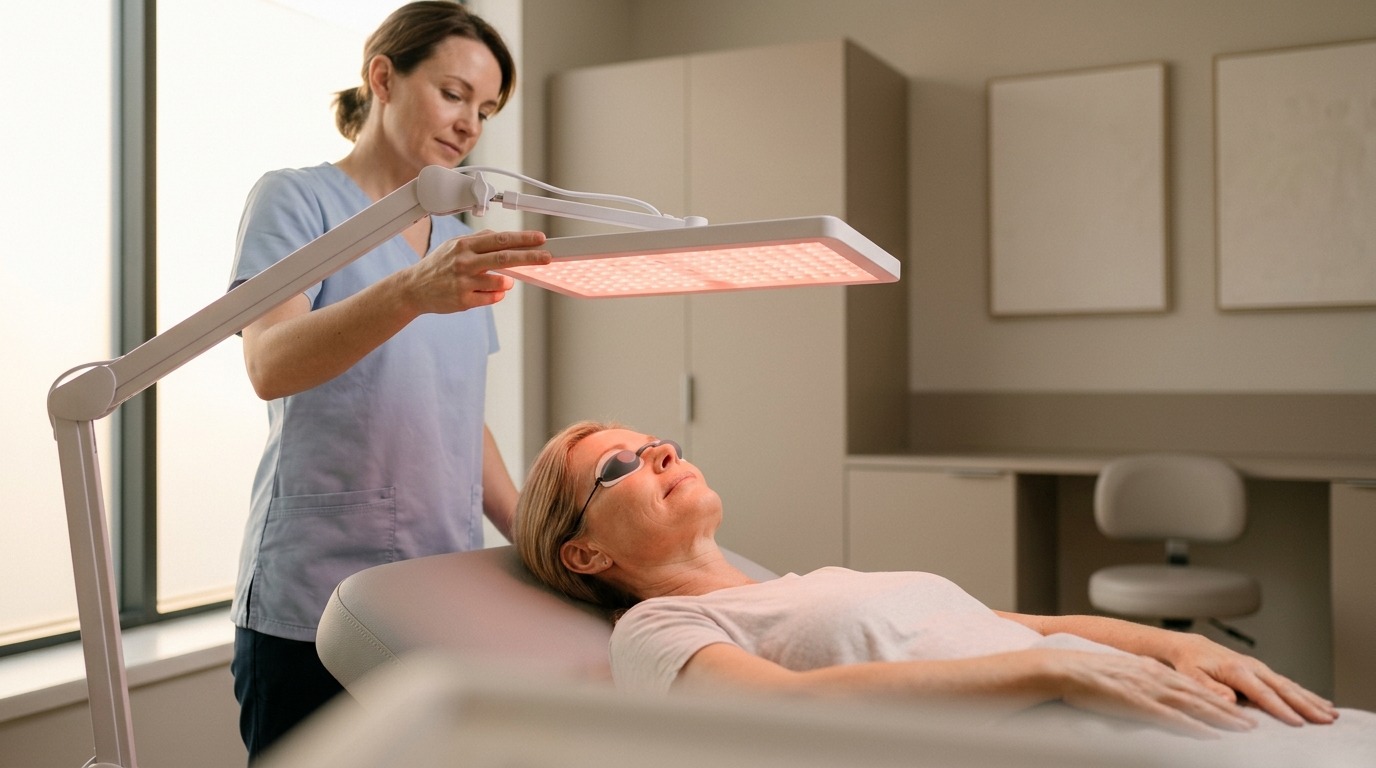
Preparation for LED therapy involves avoiding topical products that might reflect light energy on treatment day. Patients should wear comfortable clothing allowing access to treatment areas and remove any reflective jewelry. Hydration supports cellular response to photobiomodulation. A thorough consultation with qualified providers establishes baseline measurements and treatment goals.
How Long Do LED Light Therapy Results Last?
Treatment outcomes from LED photobiomodulation depend on individual factors including lifestyle, metabolic response, and ongoing wellness maintenance. Clinical documentation shows measurable improvements following documented protocols, though individual results vary. Maintenance sessions may support continued benefits over time. Discussing realistic expectations with qualified providers helps patients understand their personal outcome projections.
Where Can Frederick Residents Access Evidence-Based LED Light Therapy?
Frederick-area residents seeking evidence-based LED light therapy can access physician-supervised treatment at Maryland Medical Clinic. The clinic serves patients throughout the region, including Germantown, Thurmont, Urbana, New Market, Brunswick, Walkersville, Middletown, Mount Airy, and Hagerstown. Board-certified providers implement clinical protocols grounded in peer-reviewed research, distinguishing their services from wellness-spa alternatives. Patients interested in exploring whether LED photobiomodulation aligns with their wellness goals can schedule consultations to discuss personalized treatment approaches based on individual health profiles and objectives.
Maryland Medical Clinic offers comprehensive evaluation for individuals exploring LED light therapy as part of their wellness journey. The medical team develops customized treatment protocols based on clinical evidence and individual patient needs. Residents of Frederick and surrounding Maryland communities seeking physician-supervised LED therapy are invited to contact the clinic directly for consultation. Maryland Medical Clinic provides evidence-based photobiomodulation treatments under qualified medical supervision. To schedule a consultation, call (240) 341-1600 or visit the clinic serving Frederick, Maryland and surrounding communities.
Frequently Asked Questions
What does clinical research show about LED light therapy results?
Ultrasound examinations confirmed decreases in body fat layer thickness, while histological analysis revealed increased collagen deposition and improved skin quality in treated areas.
How does photobiomodulation work at the cellular level?
Photobiomodulation works through light energy absorption by cellular chromophores, particularly cytochrome c oxidase in mitochondria. This absorption triggers increased adenosine triphosphate production, enhanced cellular metabolism, and improved tissue repair processes. The mechanism supports fat cell metabolism while promoting collagen synthesis, translating these cellular responses into measurable physical outcomes.
What wavelengths are used in evidence-based LED light therapy?
Clinical LED therapy uses red wavelengths between 630-660 nanometers for skin surface benefits and near-infrared wavelengths between 810-850 nanometers for deeper subcutaneous tissue penetration. The documented 2025 protocol utilized consecutive application of both red and infrared LED, addressing both dermatological and body contouring objectives in single treatment sessions.
How many LED therapy sessions are needed for visible results?
Treatment protocols documented in clinical research recommend multiple sessions over several weeks to achieve measurable results. Individual response varies based on treatment area, baseline tissue composition, and overall wellness goals.
Is LED light therapy safe and what are the side effects?
LED photobiomodulation maintains a favorable safety profile when administered under professional supervision with properly calibrated equipment. Clinical trials document minimal adverse effects compared to invasive body contouring alternatives. Professional oversight ensures appropriate energy settings, treatment timing, and patient selection for optimal safety outcomes.
What wellness benefits does LED light therapy provide?
LED light therapy offers multiple wellness applications including body contouring, skin health improvement, and anti-aging benefits. Clinical evidence demonstrates collagen stimulation and improved skin texture and tone. Blue light addresses acne-causing bacteria through different mechanisms than red or infrared wavelengths, showcasing LED technology’s versatility across dermatological concerns.
How long do LED light therapy results last?
Treatment outcomes depend on individual factors including lifestyle, metabolic response, and ongoing wellness maintenance. Clinical documentation shows measurable improvements following documented protocols, though individual results vary. Maintenance sessions may support continued benefits over time. Discussing realistic expectations with qualified providers helps patients understand their personal outcome projections.
Next step
Have a question for Maryland Medical Clinic?
Physician-led medical weight loss and wellness in Frederick, Maryland. GLP-1 programs, peptide therapy, body and face sculpting, regenerative treatments and 3D body scan tracking, in one personalized plan.
Get in touchYour privacy
Nothing leaves this page without your OK.
If you allow it, Google Analytics and Meta help us see which pages patients find useful and whether our ads reach the right people. We never sell your information, and you can change your mind anytime. Privacy Policy