
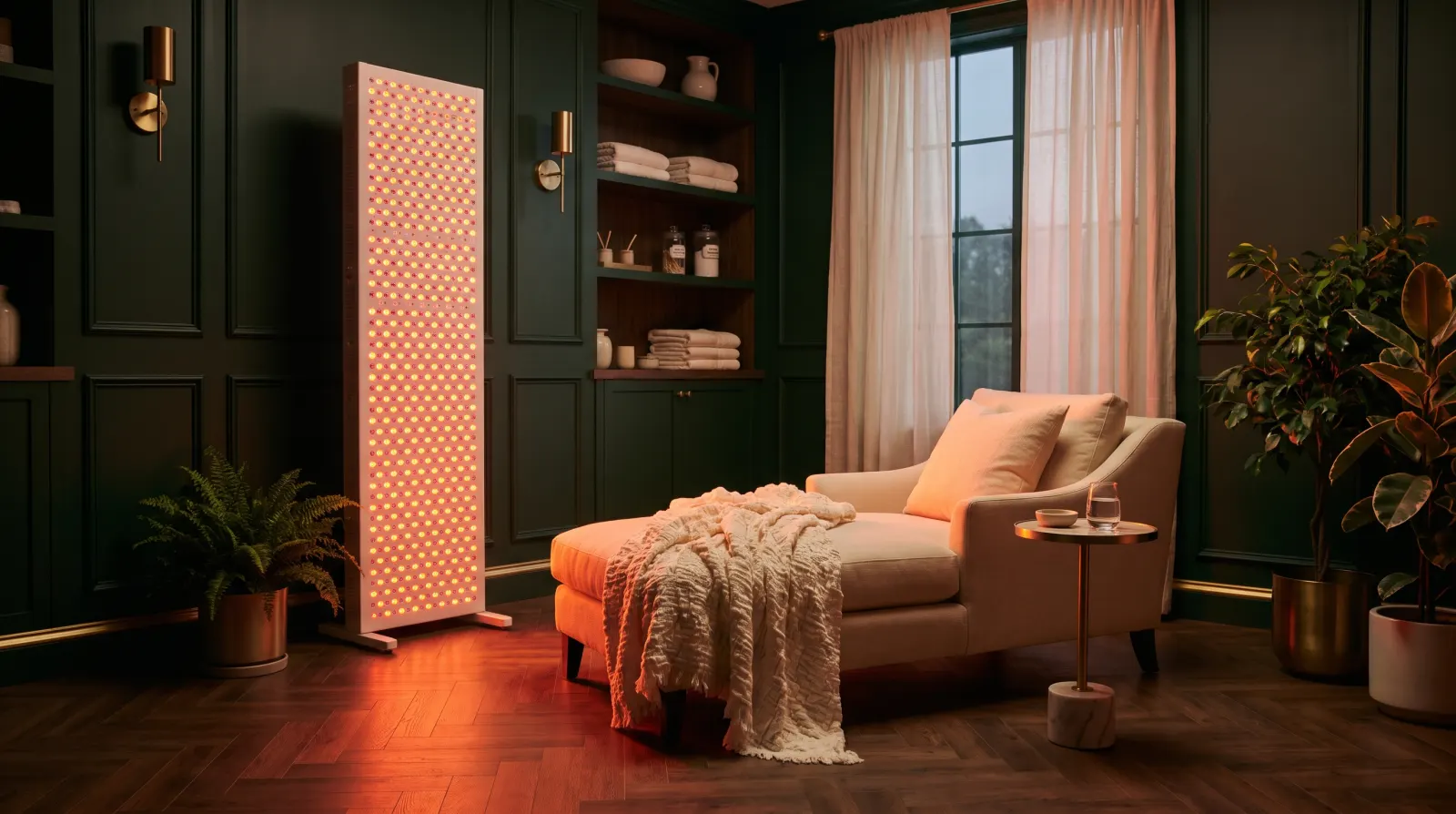
LED Light Therapy for Skin: What the New 2026 Guides Reveal
Last updated: August 13, 2026
Leading consumer wellness publications have turned their spotlight on red light therapy this month, signaling a surge in awareness that is drawing Frederick-area patients to explore what light-based skin treatments can actually deliver. Women’s Health published its updated guide to the best led light therapy tools of 2026 on August 6, and Glamour Magazine followed with its own LED face mask roundup on August 7, both featuring dermatologist-approved picks and emphasizing real results. For anyone in Frederick, Maryland and the surrounding communities – from Germantown to Hagerstown – who has been researching home LED devices and wondering whether professional treatment is worth considering, these guides offer a timely reason to take a closer look at the science behind the buzz.
What Is LED Light Therapy and Why Is It Trending Now?
LED light therapy is a non-invasive skin treatment that uses specific wavelengths of visible and near-infrared light to stimulate cellular activity in the skin. The therapy relies on the principle that certain light wavelengths are absorbed by skin cells, where they can support natural processes such as collagen production and inflammation reduction. This approach, also referred to as photobiomodulation therapy, has been used in clinical settings for years and is now attracting widespread consumer attention following recent coverage in major wellness publications.
How Does Photobiomodulation Work?
At the cellular level, this light-based approach works by delivering specific wavelengths of light into the skin, where mitochondria – the energy centers of skin cells – absorb that light and convert it into cellular energy. This boost in cellular energy helps skin cells function more efficiently, supporting repair processes and encouraging the production of structural proteins like collagen and elastin. The treatment does not involve heat, needles, or downtime, making it a comfortable option for adults seeking non-invasive skin rejuvenation.
What Types of Light Wavelengths Are Used?
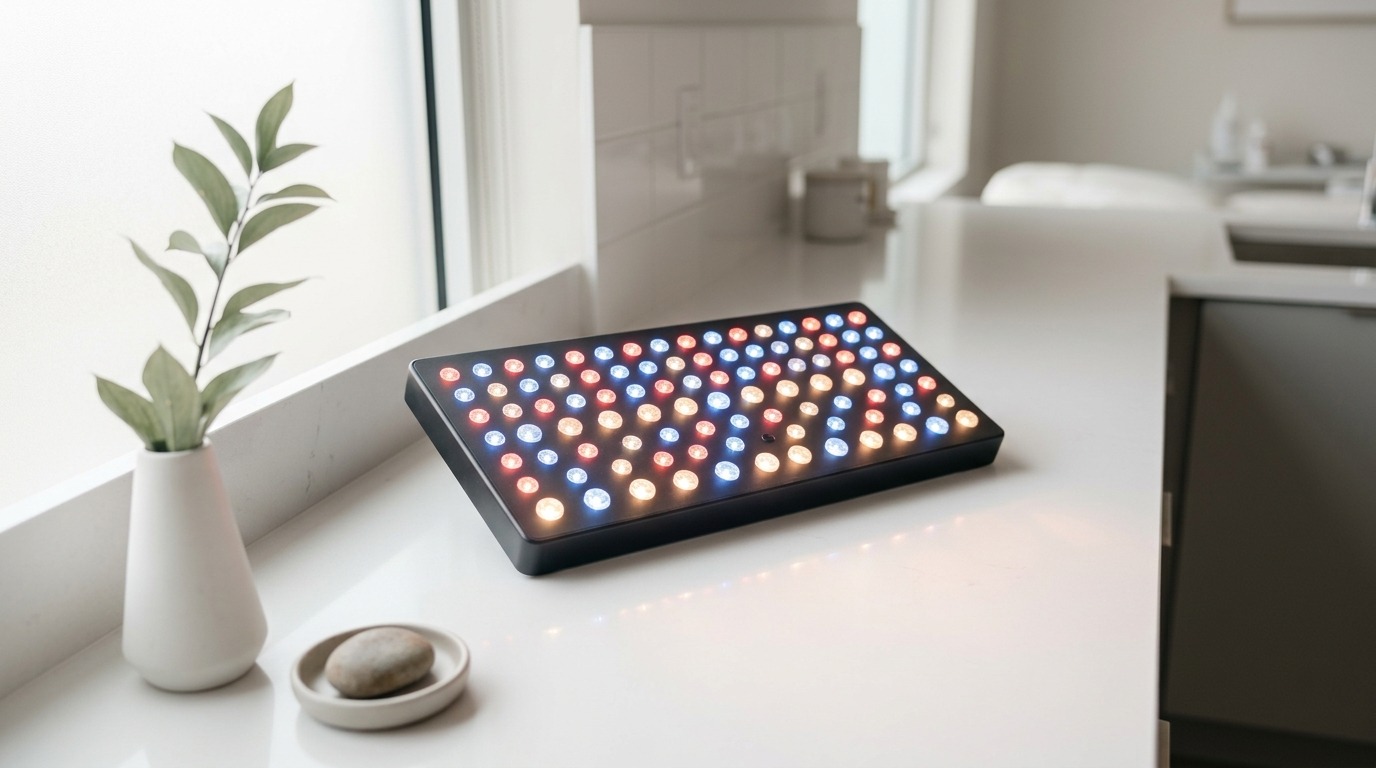
Different wavelengths of light target different skin concerns, and professional LED systems are designed to deliver precise doses of each. Red light in the 630 to 660 nanometer range is widely used for anti-aging and skin tone improvement. Near-infrared light, reaching 800 to 900 nanometers, penetrates deeper to support tissue repair and muscle recovery. Blue light in the 415 to 470 nanometer range is commonly used for acne-related concerns because it targets acne-causing bacteria on the skin’s surface. Many professional devices combine multiple wavelengths in a single session to address several concerns simultaneously.
What Are the Benefits of Red Light Therapy for Skin?
Red light therapy for skin focuses on stimulating collagen synthesis and reducing oxidative stress in skin cells, which supports a firmer, more even complexion over time. The 2026 consumer guides from Women’s Health highlighted red light therapy as a standout tool for addressing wrinkles and dark spots, with dermatologist input confirming its role in supporting skin’s natural renewal processes. For patients in the Frederick area looking for a non-invasive way to support aging skin, red light therapy offers a well-researched option that fits comfortably into a regular skincare routine.
Can Red Light Therapy Reduce Wrinkles and Fine Lines?
Clinical observations and dermatology expert commentary consistently point to red light therapy as a supportive treatment for reducing the appearance of fine lines and wrinkles. By encouraging collagen and elastin production in the dermis, red light helps improve skin texture and firmness. Women’s Health’s August 2026 guide specifically called out red light therapy tools for smoothing wrinkles, noting that dermatologist-approved picks performed well across multiple skin types. Patients who incorporate consistent sessions often report a gradual improvement in skin smoothness and a reduction in the depth of fine lines.
How Does Blue Light Therapy Target Acne?
Blue light therapy for acne works by targeting Cutibacterium acnes, the bacteria that contributes to breakouts, with wavelengths that have been shown to reduce bacterial presence on the skin’s surface. In addition to its antibacterial effect, blue light also helps regulate sebum production, which can decrease the frequency of clogged pores. Glamour Magazine’s August 2026 LED face mask guide highlighted several blue light-equipped devices as top picks for acne-prone skin, with testers noting clearer complexions after consistent use over several weeks.
How Does Professional LED Light Therapy Differ From Home Devices?
Professional light therapy delivers significantly higher irradiance – the measure of light energy reaching the skin per square centimeter – than most home devices, which means each session is designed to produce a more pronounced effect in a shorter timeframe. While home LED masks and panels have grown in popularity, professional-grade equipment used in clinical settings undergoes stricter regulatory review and is calibrated to deliver therapeutic wavelengths at dosages supported by clinical research.
What Irradiance Levels Do Professional Devices Deliver?
Professional LED therapy panels in medical aesthetics settings can deliver irradiance levels of 50 to 150 milliwatts per square centimeter, enabling shorter treatment times while still meeting the threshold associated with meaningful cellular response. Many consumer-grade LED masks deliver substantially lower irradiance, which may require longer daily sessions to achieve comparable exposure. The difference in power output is one of the most significant factors distinguishing a professional LED facial treatment from a home device, and it directly influences the results patients can expect from their investment in the therapy.
Why Does Treatment Precision Matter?
Precision in LED light therapy involves both wavelength accuracy and consistent light coverage across the treatment area, two factors that are carefully controlled in a professional setting. Professional devices are calibrated to emit specific therapeutic wavelengths without significant deviation, ensuring that the skin receives the exact dose of light the protocol calls for. Treatment precision also extends to the positioning of the device and the duration of each session, which are managed by trained clinical staff. Maryland Medical Clinic delivers treatments under physician supervision, ensuring patients receive consistent, calibrated doses tailored to their skin concerns.
What Skin Concerns Can LED Light Therapy Address?
Light-based skin treatment is versatile enough to address a range of common concerns, from signs of aging to active breakouts and post-inflammatory redness. The therapy is suitable for most skin types and can be incorporated into broader skincare plans under clinical guidance. Patients in Frederick, Maryland and nearby communities such as Thurmont, Urbana, and Middletown have sought LED therapy for everything from general skin maintenance to targeted concerns, with protocols customized to individual needs.
Is LED Therapy Effective for Aging Skin?
LED therapy has become a recognized option for supporting aging skin, particularly through red and near-infrared wavelengths that encourage collagen and elastin production. Dermatologists cited in recent consumer guides noted visible improvements in skin firmness, texture, and the appearance of fine lines with consistent use. Infrared light therapy adds the benefit of deeper tissue support, which may help with skin that has begun to show more pronounced signs of aging. Professional protocols at a medical clinic allow for higher treatment frequencies and stronger doses than most home routines can safely deliver.
Can LED Treatments Help With Acne and Inflammation?
Blue light therapy for acne targets the root cause of many breakouts by reducing acne-causing bacteria, while red light helps calm the inflammation that often follows a breakout. This combination approach is frequently used in professional settings to address both active acne and the residual redness it leaves behind. Patients dealing with persistent acne, uneven skin tone, or sensitivity may find that LED treatments support a clearer, calmer complexion when applied consistently over time. Clinical teams can adjust wavelength combinations and session frequency to align with the severity of each patient’s concerns.
What Should You Expect During an LED Light Therapy Session?
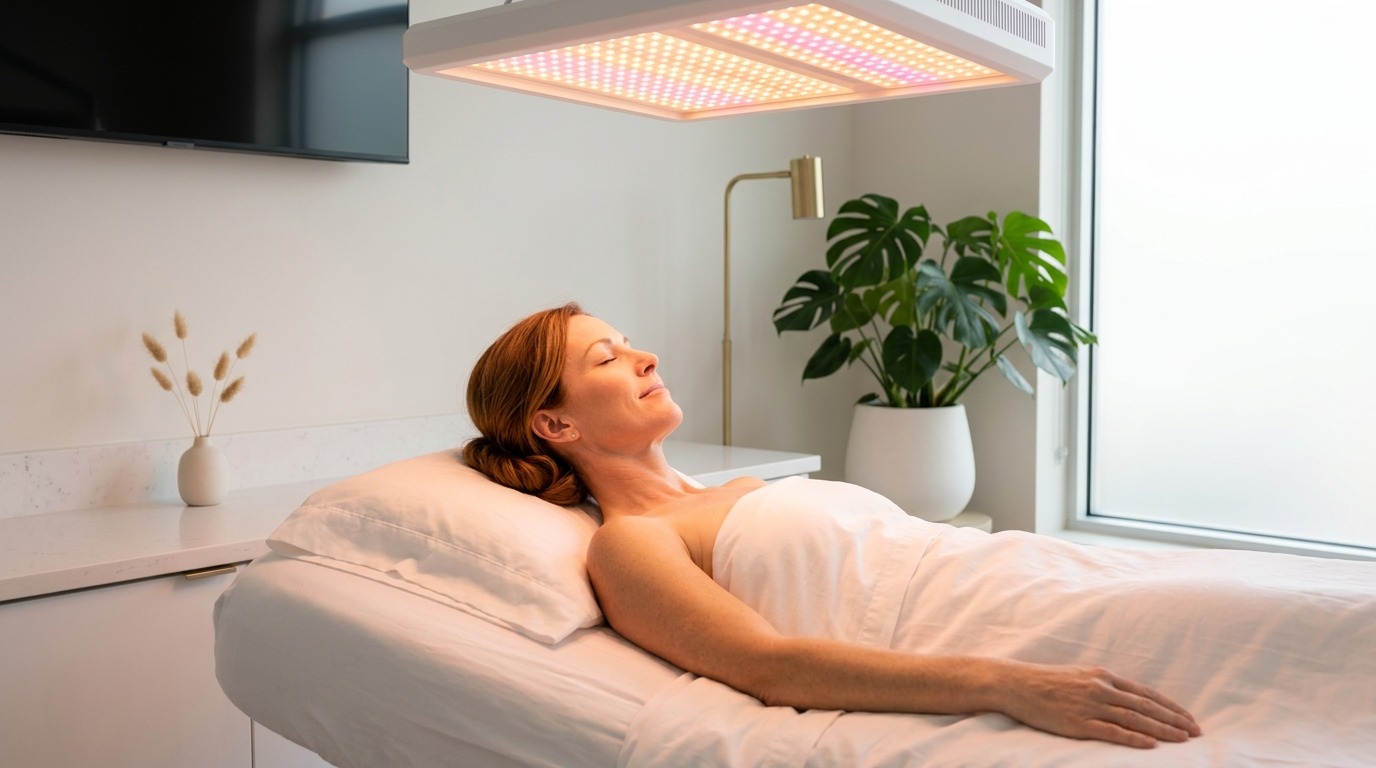
An LED light therapy session is a straightforward, comfortable experience that typically takes 10 to 20 minutes per treatment area, depending on the protocol. Patients sit or lie comfortably in front of a professional LED panel while protective eyewear is provided. There is no heat, no contact with the skin, and no downtime after the session, making it easy to fit into a regular schedule. Maryland Medical Clinic offers LED light therapy as part of its physician-supervised approach, ensuring each treatment plan is tailored to the individual patient’s skin goals.
How Long Does Each Treatment Take?
Most individual LED facial treatment sessions last between 10 and 20 minutes, with full-body or comprehensive facial sessions occupying the higher end of that range. The brevity of each session makes it convenient for patients in communities like Walkersville, Brunswick, and New Market who want effective treatment without a significant time commitment. A typical course of treatment involves multiple sessions spread over several weeks, with maintenance sessions planned afterward to sustain results.
Is LED Light Therapy Comfortable?
LED light therapy is generally described as a comfortable, relaxing experience by patients. Unlike laser treatments or chemical peels, LED therapy does not rely on heat or abrasive contact, so there is no pain or significant sensation during the session. Most people read, rest, or simply close their eyes while the light does the work. Some patients report a gentle warmth, but discomfort is rare. The lack of recovery time means patients can return to their normal activities immediately after leaving the clinic.
How Soon Can You See Results From LED Light Therapy?
Results from LED light therapy build gradually as the skin’s cellular processes respond to consistent treatment. Early improvements in skin radiance and hydration may be noticeable within the first few weeks, while more significant changes in firmness and texture typically develop over 8 to 12 weeks of regular sessions. Individual timelines vary based on skin condition, age, and how consistently the treatment protocol is followed. Clinical teams can help patients set realistic expectations based on their specific skin concerns and treatment goals.
How Many Sessions Are Recommended?
Most professional LED therapy protocols recommend an initial series of 8 to 12 sessions, spaced 2 to 3 times per week, to build a strong foundation of results. After the initial series, maintenance sessions – typically one every 1 to 4 weeks – help sustain the improvements over time. The exact number of sessions depends on the skin concern being addressed; acne-focused protocols may begin with more frequent sessions, while anti-aging routines may prioritize longer wavelength exposure with consistent follow-up.
What Maintenance Schedule Is Suggested?
Long-term maintenance schedules vary by individual, but many patients find that continuing LED light therapy on a weekly or biweekly basis supports lasting improvements in skin tone, texture, and clarity. Consistency is the key factor – sporadic or irregular sessions tend to yield less noticeable results than a steady routine. Patients at Maryland Medical Clinic receive personalized maintenance recommendations as part of their treatment plan, adjusted over time based on how their skin responds to the therapy.
Why Choose Professional LED Light Therapy in Frederick, Maryland?
Maryland Medical Clinic provides physician-supervised LED light therapy for skin under physician supervision, offering patients in Frederick, Maryland and throughout the surrounding region – including Germantown, Thurmont, Urbana, New Market, Brunswick, Walkersville, Middletown, Mount Airy, and Hagerstown – access to professional-grade treatment with clinical oversight. The combination of calibrated devices, customized protocols, and ongoing monitoring helps ensure that each patient receives safe, effective treatment aligned with their specific skin goals. For anyone who has been researching home LED devices and wondering whether professional treatment offers a meaningful difference, a consultation provides the opportunity to explore the options and build a plan that fits.
Patients interested in learning more about how LED light therapy for skin may fit into their wellness routine are encouraged to contact Maryland Medical Clinic directly. The clinic’s team can answer questions about treatment protocols, help determine whether LED therapy is appropriate for specific skin concerns, and guide patients through the steps of beginning a personalized plan. To schedule a consultation, call (240) 341-1600 or visit the clinic’s website for additional information on available services and appointment options in the Frederick, Maryland area.
Frequently Asked Questions
What is LED light therapy and how does it work for skin?
LED light therapy is a non-invasive skin treatment that uses specific wavelengths of visible and near-infrared light to stimulate cellular activity. The light is absorbed by mitochondria in skin cells, which convert it into cellular energy that supports repair processes and collagen production. It involves no heat, needles, or downtime, making it a comfortable option for skin rejuvenation.
What wavelengths are used in LED therapy and what do they treat?
Different wavelengths target different skin concerns. Red light in the 630 to 660 nanometer range addresses anti-aging and skin tone. Near-infrared light at 800 to 900 nanometers penetrates deeper for tissue repair. Blue light between 415 and 470 nanometers targets acne-causing bacteria and regulates sebum production. Many professional devices combine multiple wavelengths to address several concerns simultaneously.
How does professional LED therapy differ from home devices?
Professional LED therapy delivers significantly higher irradiance, typically 50 to 150 milliwatts per square centimeter, compared to most home devices. This means more pronounced effects in shorter treatment times. Professional equipment also undergoes stricter regulatory review, is calibrated for precise therapeutic wavelengths, and is administered by trained clinical staff for consistent light coverage and positioning.
How long does an LED light therapy session take?
Most individual LED facial treatment sessions last between 10 and 20 minutes, with full-body or comprehensive facial sessions at the higher end of that range. The brevity of each session makes it convenient for patients to fit into regular schedules. A typical treatment course involves multiple sessions spread over several weeks followed by maintenance sessions.
How soon can you see results from LED light therapy?
Results build gradually as skin cells respond to consistent treatment. Early improvements in skin radiance and hydration may appear within the first few weeks, while more significant changes in firmness and texture typically develop over 8 to 12 weeks of regular sessions. Individual timelines vary based on skin condition, age, and how consistently the treatment protocol is followed.
How many LED therapy sessions are recommended?
Most professional LED therapy protocols recommend an initial series of 8 to 12 sessions, spaced 2 to 3 times per week, to build a strong foundation of results. After the initial series, maintenance sessions every 1 to 4 weeks help sustain improvements over time. The exact number depends on the skin concern being addressed, with acne-focused protocols typically starting with more frequent sessions.
Is LED light therapy comfortable and does it require recovery time?
LED light therapy is generally described as a comfortable, relaxing experience. Unlike laser treatments or chemical peels, LED therapy does not rely on heat or abrasive contact, so there is no pain or significant sensation during the session. Most patients read, rest, or simply close their eyes during treatment. There is no recovery time, allowing patients to return to normal activities immediately after leaving the clinic.
Related reading
- LED Light Therapy for Weight Loss: What Frederick Research Shows
- LED Light Therapy: Your Guide to Safe Treatment
- Services
Sources
Next step
Have a question for Maryland Medical Clinic?
Physician-led medical weight loss and wellness in Frederick, Maryland. GLP-1 programs, peptide therapy, body and face sculpting, regenerative treatments and 3D body scan tracking, in one personalized plan.
Get in touchYour privacy
Nothing leaves this page without your OK.
If you allow it, Google Analytics and Meta help us see which pages patients find useful and whether our ads reach the right people. We never sell your information, and you can change your mind anytime. Privacy Policy